Best Podcasts for Toddlers : 6 English Podcasts for Babies and Preschoolers
Discover the best podcasts for toddlers and babies aged 0–3. These fun English podcasts help kids develop listening skills, enjoy stories, and learn new words.
 ListenLeap Blog
Learn Real English with Podcasts & Videos — Understand the World, One Episode at a Time
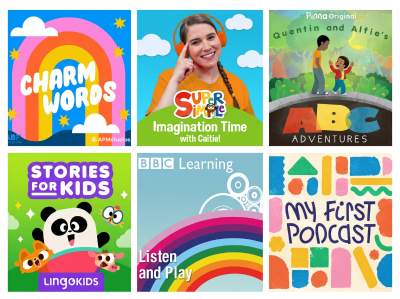
Discover the best podcasts for toddlers and babies aged 0–3. These fun English podcasts help kids develop listening skills, enjoy stories, and learn new words.

Learning a new language isn’t just about vocabulary and grammar. The way you sound—your rhythm, stress, and melody—shapes how clearly people understand you.

Many language learners hit a confusing point: you understand the basics, you can hold simple conversations, but then a new question appears—which accent should you focus on?

Many language learners reach a stage where their grammar is correct and their vocabulary is decent—yet something still feels off.

Everyone has an accent. It’s a natural result of where you grew up, what languages you speak, and how you learned to pronounce sounds.

When you listen to a fluent speaker, you don’t just hear words—you hear feelings. A simple sentence can sound excited, annoyed, curious, or sarcastic depending on the tone of voice.

We’ve all had that moment: you open your mouth to say something in English, and suddenly you’re stuck. Should it be went or have gone? Was doing or did?

If you’ve ever said “I bought book” or “She is the best teacher in school” and felt unsure, you’re not alone. Small words like a, an, and the cause big problems for English learners.
.png?width=400)
Speaking English fluently is not just about grammar. It’s also about sounding natural in real conversations.
.jpg?width=400)
Even confident English learners make subject-verb agreement errors. The problem usually isn’t a lack of vocabulary or ideas.