
Why podcasts work for young English learners
Kids pick up language the same way they pick up a tune: by hearing it again and again. Podcasts give them that repetition without turning learning into homework. There are no worksheets, no grading, no pressure to answer. A three year old hears letter sounds inside a story, an eight year old hears how a news presenter argues a point, and both absorb rhythm, vocabulary, and sentence patterns almost by accident.
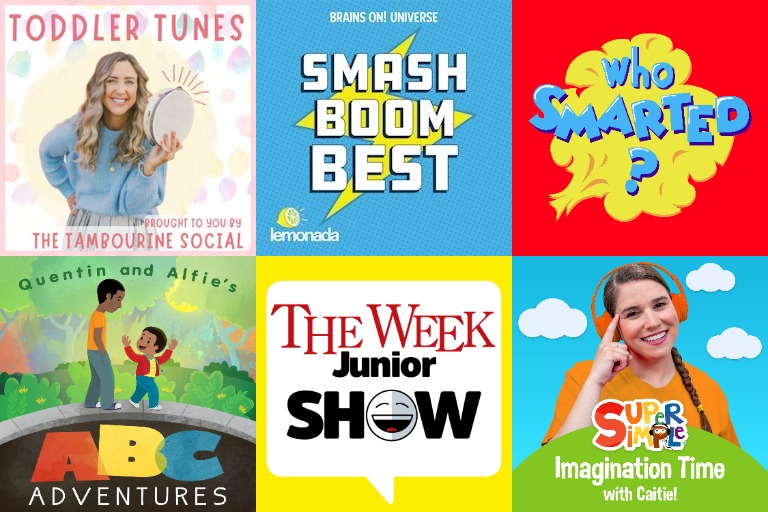
The six shows below cover ages two to fourteen. They include nursery-style singalongs, weekly news roundups, alphabet adventures, and a debate show where children vote on silly matchups. Every one of them is built around play first and instruction second, which is exactly the ratio that keeps young listeners coming back. The best part for parents: the shows are short, so they fit into car rides, meal times, and bedtime without anyone losing patience.
What ListenLeap adds for younger listeners
All six podcasts are inside ListenLeap, an app built around listening to real podcasts while learning English. The app's library passes 10,000 shows across BBC, TED, and NPR, so the content is genuine audio, not studio scripts.
For young listeners, the useful features are the quiet ones. Each show is sorted by difficulty level, so a toddler's song podcast and a news show for teens do not sit side by side in the same pile. Tap any word to see its meaning, and the app explains whole phrases, not just single words. The shadowing mode plays a line and records the child repeating it, then scores pronunciation, tone, and fluency. Fill-in-the-blank training turns a favorite episode into a light game, and everything can be downloaded for offline listening. Parents who want to check progress can use the built-in level test to see where their child actually stands.
Six podcasts worth pressing play on
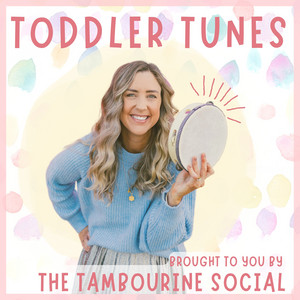
Toddler Tunes
The easiest entry point on this list. Host Georgie leads short music sessions built for toddlers, the kind that work as screen-free entertainment or as a wind-down after a big day. The episodes are brief by design, so they suit the shortest attention spans, and the singalong format means children join in without being asked. In ListenLeap, the blind-listening mode lets little ones focus on the music, while shadowing turns each song into a repeat-after-me game. The offline cache makes this a reliable choice for car rides and flights.
The Week Junior Show
Based on the award-winning magazine for 8 to 14 year olds, this weekly show takes listeners behind the scenes of real journalism. Host Bex from Fun Kids sits with The Week Junior's team to talk through their favorite stories, debate the week's hot topic, and check whether the "Real or Rubbish?" report is fake news or the real deal. Recent episodes include "Runny egg warning and Snowdon queues" and "Total solar eclipse and hidden gold". It is a natural way for older kids to hear how adults discuss current events. In ListenLeap, tap-to-look-up covers the news vocabulary, and the AI question feature lets curious listeners ask follow-ups about stories they did not fully catch.

Smash Boom Best: A funny, smart debate show for kids and family
From the Brains On Universe comes a debate show where two cool things get smashed together and the audience decides the winner. Past matchups include Pikachu vs. Mario, Lollipops vs. Popcorn, Flamingos vs. Axolotls, and Cats vs. Dogs. Guest debaters make their case with facts and enthusiasm, and the "State of Debate" segment teaches listeners how to spot logical fallacies in everyday arguments. Episodes like "Waterparks vs Trampoline Parks" and "King Arthur vs Robin Hood" show the range. For language learning, this show is gold for opinion vocabulary: agreeing, disagreeing, defending a position. ListenLeap's phrase breakdown explains those argument patterns sentence by sentence, and shadowing practice helps kids say them with confidence.

Quentin and Alfie's ABC Adventures
A Parents' Choice Foundation Gold Award winner built for ages 3 to 5. Alfie and his babysitter Quentin walk down a magical sidewalk to a new destination each day, exploring letter sounds, singing songs, and meeting friends along the way. The goal is phonological awareness, the ability to hear and play with the sounds in words, which is a core reading skill. Recent bonus episodes work through long vowel sounds: "Long U is for Unicorn", "Long O is for Ocean", "Long E is for Eagle". In ListenLeap, the difficulty grading keeps the content at the right level for early listeners, and tap-to-look-up works well when a child asks what a word means mid-story.

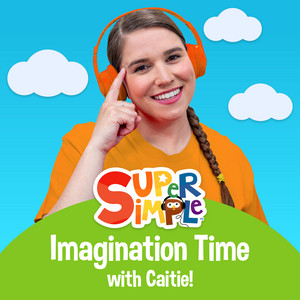
Super Simple Imagination Time With Caitie!
From the Super Simple Songs family, this show opens with a deep breath and a mindfulness moment before diving into imagination. Caitie and her piano-playing pal Zach lead audio adventures full of play, music, and social-emotional learning, with each episode inspired by a Super Simple Song. Episodes like "Let's Blow A Bubble" and "Brush Your Teeth" turn everyday moments into singable stories. New episodes arrive at the start of every month. In ListenLeap, the shadowing mode pairs well with the songs, and the fill-in-the-blank training can turn a favorite episode into a guessing game. It is a gentle pick for very young listeners who are not ready for longer narratives.
Who Smarted? - Educational Podcast for Kids
A show with over a million downloads a month, and the numbers make sense once you hear an episode. Who Smarted? wraps science and history trivia in humor, with four new episodes each week. Recent questions include "How did the legend of the Yeti start?" and "How did the Days of the Week get their Names?" The creators came from the teams behind Brain Games and Brainchild, and it shows in how the facts are delivered: fast, funny, and impossible to ignore. Teachers use it in classrooms, parents use it on car rides, and kids use it as an excuse to ask more questions. In ListenLeap, the AI question feature lets listeners chase those follow-up questions, and the vocabulary notebook quietly collects the new words each episode throws up.
How to start listening
Pick one show based on age, not on what sounds impressive. Under five: start with Toddler Tunes or Quentin and Alfie's ABC Adventures. Five to eight: Super Simple Imagination Time or Who Smarted?. Eight and up: The Week Junior Show or Smash Boom Best. Listen together the first few times, then let the child choose episodes alone. Repeat the same episode across a few days; young learners actually enjoy familiarity, and the second or third listen is where the language sticks. In ListenLeap, run the level test once at the start so the difficulty settings match the child's real ability, then turn on offline downloads for the shows you plan to use on the road. Ten minutes a day beats one long session a week.
Start with one episode tonight
These six shows span the whole journey from a toddler's first songs to a teenager's first debates. The common thread is that none of them feel like lessons. The language arrives inside music, stories, news, and silly arguments, which is how children learn best anyway. Open ListenLeap, find the show that matches your child's age, and press play on one episode. If the first one gets a laugh or a repeat request, you have found your starting point.


Comments
No comments yet.
Leave a Comment