

Why podcasts can beat textbooks for learning English
Most English learners can read a full page of grammar and still freeze the moment a native speaker talks at natural speed. The gap is rarely vocabulary alone. It is rhythm, tone, and the small phrases that never make it into a classroom. Podcasts close that gap because they serve up unscripted speech in long, comfortable stretches. No exam at the end, no one waiting for an answer, just a steady stream of real English. The six shows below suit learners who want to grow in language and in how they think about work, habits, and themselves.
How ListenLeap turns a good podcast into real practice
One listen is not the same as one lesson. ListenLeap adds the tools that turn passive listening into study. Bilingual subtitles let a listener check a phrase in seconds instead of guessing. Difficulty grading matches a show to the current level, so the material pushes without overwhelming. A tap on any word brings its definition, and saved words collect into a personal vocabulary list for later review. Speed control and instant replay make shadowing possible, which is how pronunciation and intonation actually improve. The app does not replace the podcast. It fills in all the things the podcast assumes the listener already knows.
Six English podcasts for personal growth, mindset, and career
These six shows mix language practice with self-improvement. Each one is a real, ongoing production with hosts who speak naturally, and each is available on ListenLeap with subtitles and word tools.
1. Getting Chicked - Intermediate - running and mindset
Hosted by three former college track athletes, Karen Lesiewicz, Megan Connolly Morant and Rachel DaDamio, this show spends less time on race results and more on the mental side of staying committed to something difficult. Recent episodes dig into marathon fueling, injury comebacks, and the idea that running means more than crossing a finish line. The three hosts joke, interrupt, and talk over each other, which is the kind of fast, messy English that builds a real ear. On ListenLeap, slowing the speed during those overlapping moments and tapping sports slang for quick definitions keeps the conversation within reach.

2. Lenny's Podcast: Product | Career | Growth - Advanced - product and career growth
Lenny Rachitsky interviews product leaders and growth experts, pulling out tactical advice that listeners can put to use right away. Recent guests explain how large companies are turning into a series of loops, how persistent AI coworkers are changing product work, and how to close six-figure enterprise deals step by step. The English here mirrors modern tech workplaces and is packed with jargon that learners will meet in any company running on English. ListenLeap makes that vocabulary manageable. A listener can pause on phrases like "enterprise deals" or "growth loops" and get a plain definition without leaving the episode.

3. Lex Fridman Podcast - Advanced - science, philosophy, and the human condition
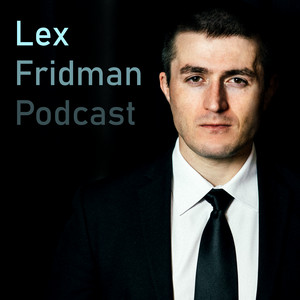
Lex Fridman holds long conversations with scientists, historians, athletes, and thinkers, moving between technology, philosophy, psychology, and the nature of consciousness. Some episodes run for hours, which suits learners who want deep immersion rather than bite-sized clips. Recent topics range from the history of psychiatry and mental illness to the future of programming and the rise and fall of the Roman Empire. Guests arrive with different accents and speaking styles, so the show trains the ear across many versions of English. On ListenLeap, jumping between subtitle lines and replaying dense passages makes these long conversations far easier to follow.
4. The Lazy Genius Podcast - Intermediate - habits, life systems, and balance
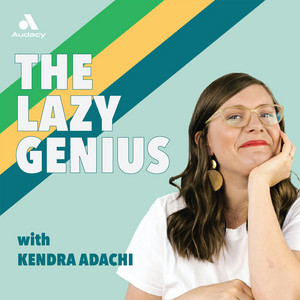
Kendra Adachi calls herself part systems expert and part permission giver, and the show rests on a simple promise: be a genius about the things that matter and lazy about the things that do not. Episodes cover practical life administration, deciding what to want more of, and knowing when a chapter is finished. The tone is warm and clear, which makes the show a comfortable step for intermediate learners who want useful ideas along the way. ListenLeap users can save phrases about time and priorities, then play the episode again at a slower speed to catch the reasoning behind each piece of advice.
5. Philosophize This! - Intermediate to advanced - beginner-friendly philosophy
Stephen West built this show so that anyone, no graduate degree required, can follow the thinkers and ideas that shaped the modern world. Episodes move in chronological order, breaking complicated ideas into plain language while keeping the original arguments intact. That pace helps learners a lot. The host explains slowly and repeats key points, which is rare in philosophy. Recent episodes work through psychology, mental illness, and the roots of how people understand themselves. With ListenLeap, a listener can tap an abstract term and check the subtitle line to see how the idea is being used in context.

6. Women at Work - Advanced - careers, workplace psychology, and leadership
Produced by Harvard Business Review, this show follows Amy Bernstein, Amy Gallo, and Emily Caulfield as they work through the knottiest problems women meet at work, from interrupting colleagues to negotiating status and pay. The hosts interview experts, tell their own stories, and give concrete advice instead of vague encouragement. Episodes on limiting beliefs, managing up, and what can be learned from Taylor Swift show how wide the career topics run. The English is polished and professional, a useful model for anyone who writes or speaks in a corporate setting. ListenLeap helps a listener slow down a manager exchange and save the exact phrasing used to frame a difficult request.

How to start listening this week
A good routine matters more than a perfect one. A few habits keep progress steady:
Pick one show and listen to the same episode twice, once for meaning and once with subtitles for detail.
Choose a level slightly above current comfort. If every sentence needs translating, drop down a show.
Save five new words per episode and review them the next day.
Shadow one short segment out loud, copying the speaker's rhythm rather than the words alone.
Alternate topics. A career episode one day and a philosophy episode the next keeps motivation high.
A habit that compounds
Language grows in small, repeated doses, and personal growth works the same way. An episode about confidence at work, a talk about resilience, or a plain-language lesson on an old philosopher can do double duty: build English and build perspective at once. The six shows here are long running and generous, with hundreds of hours waiting to be heard. A show about training for a marathon, a discussion of how a product team grows, or a calm voice explaining an ancient idea each turn an ordinary commute into something useful. With ListenLeap's subtitles, grading, and word tools, a quiet evening or a slow morning becomes steady, enjoyable practice. The best place to start is the show that matches a listener's own curiosity, because interest is what brings the ear back week after week.



Comments
No comments yet.
Leave a Comment