
Why a Podcast Beats One More Worksheet
Most children meet English as a subject: a textbook, a word list, a test on Friday. Listening works the other way around. A child hears a voice, follows a story, guesses a word from the situation, and understands something before anyone explains it. That order matters, because it is the order in which children learn their first language.
Podcasts fit family life in a way that worksheets never will. They play in the car, at the kitchen table, in the ten minutes before sleep. They need no screen, no charger and no supervision beyond being in the room. Episodes are usually short, so attention is not a problem. And the voices are real: grandparents, schoolchildren, teachers, authors reading their own books. Children copy what they hear, and what they hear here is ordinary spoken English rather than scripted textbook dialogue.
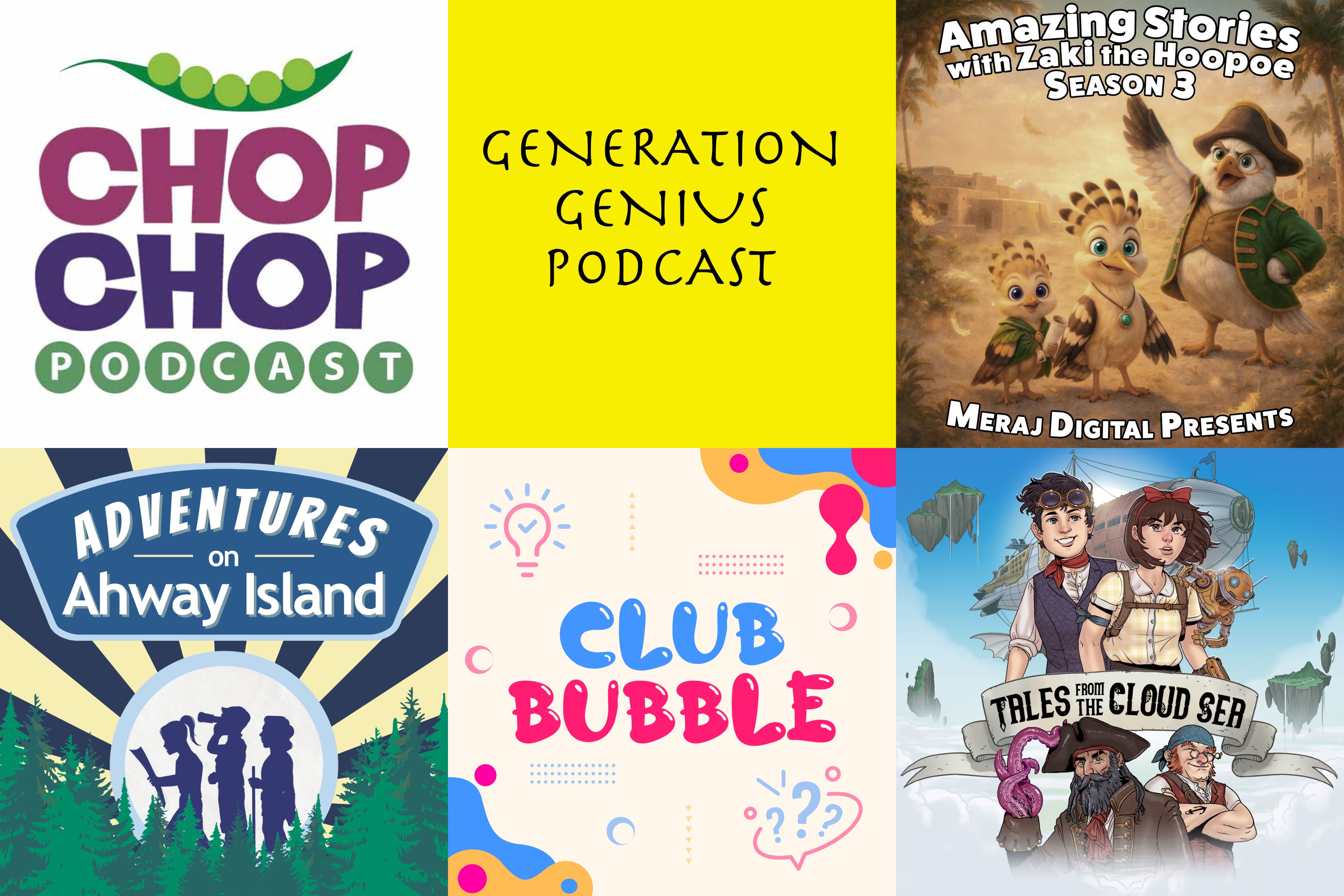
The six shows below were chosen for that everyday quality. They cover different listening muscles: story comprehension, conversation, argument, explanation. Some are slow enough for a five year old. Some are quick and funny enough for a ten year old who thinks English is boring. All of them are made for children, not adapted for them, which is why the language stays natural.
What ListenLeap Adds to the Listening
A podcast alone gives a child sound. ListenLeap adds the scaffolding around that sound, and the scaffolding is where the learning usually happens.
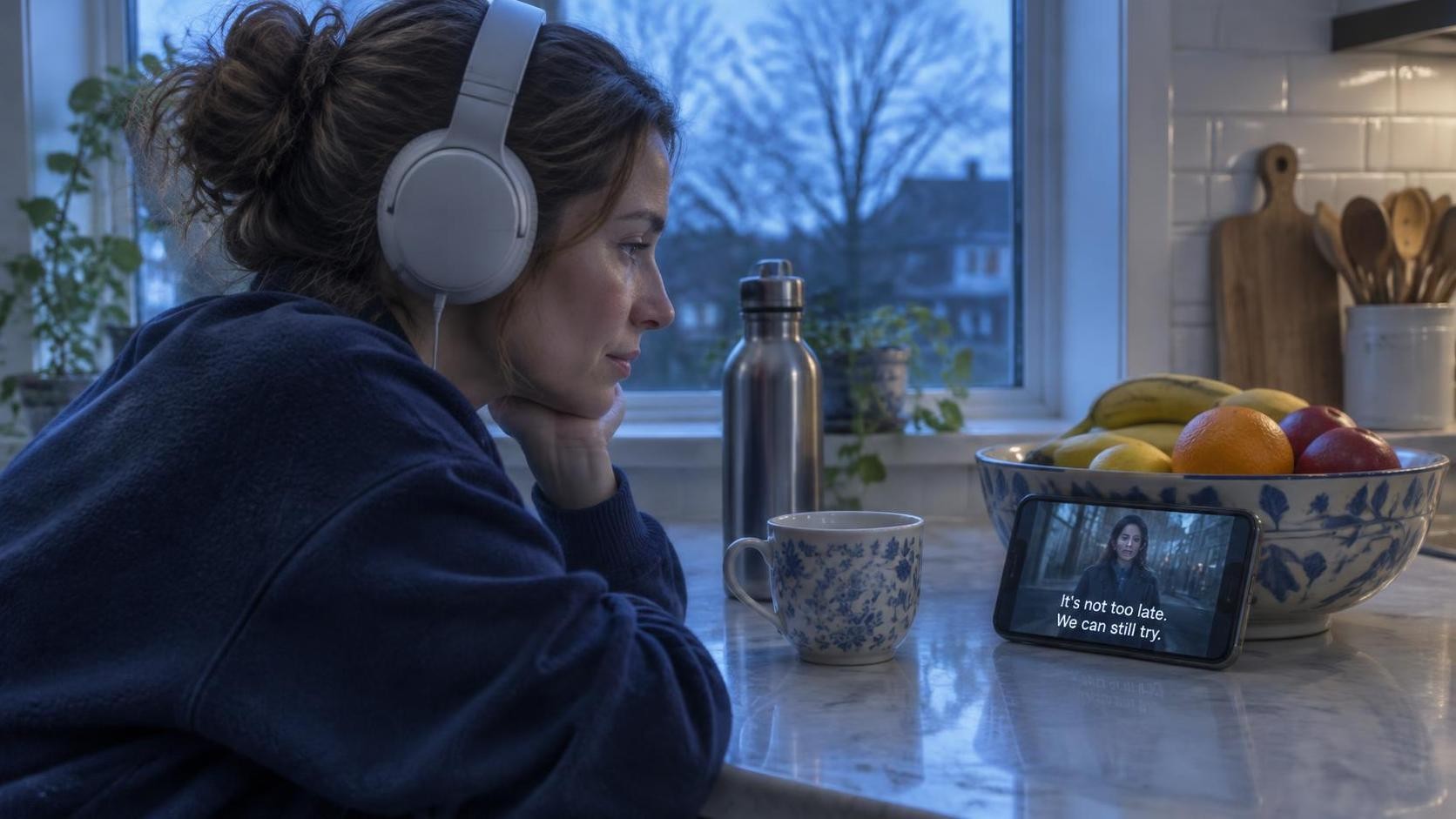
Every episode can be played with bilingual subtitles, so a child can read along while listening, then turn the subtitles off and try again. Words can be tapped for a meaning instead of sending anyone to a dictionary, and the shows are sorted by difficulty, which takes the guesswork out of choosing what comes next. Playback speed can be slowed for a first pass. For parents who are not confident English speakers themselves, this removes the pressure of having to translate in real time: the app carries that part.
The aim is a second or third pass without frustration, not another lesson. A child who understands eighty percent of an episode will happily listen again. A child who understands forty percent and has no help will ask for the tablet instead.
The Six Shows, One by One
1. AI for Kids
Difficulty: A2 to B1, roughly ages seven and up.
Theme: Technology, critical thinking, and how to talk about machines at the dinner table.
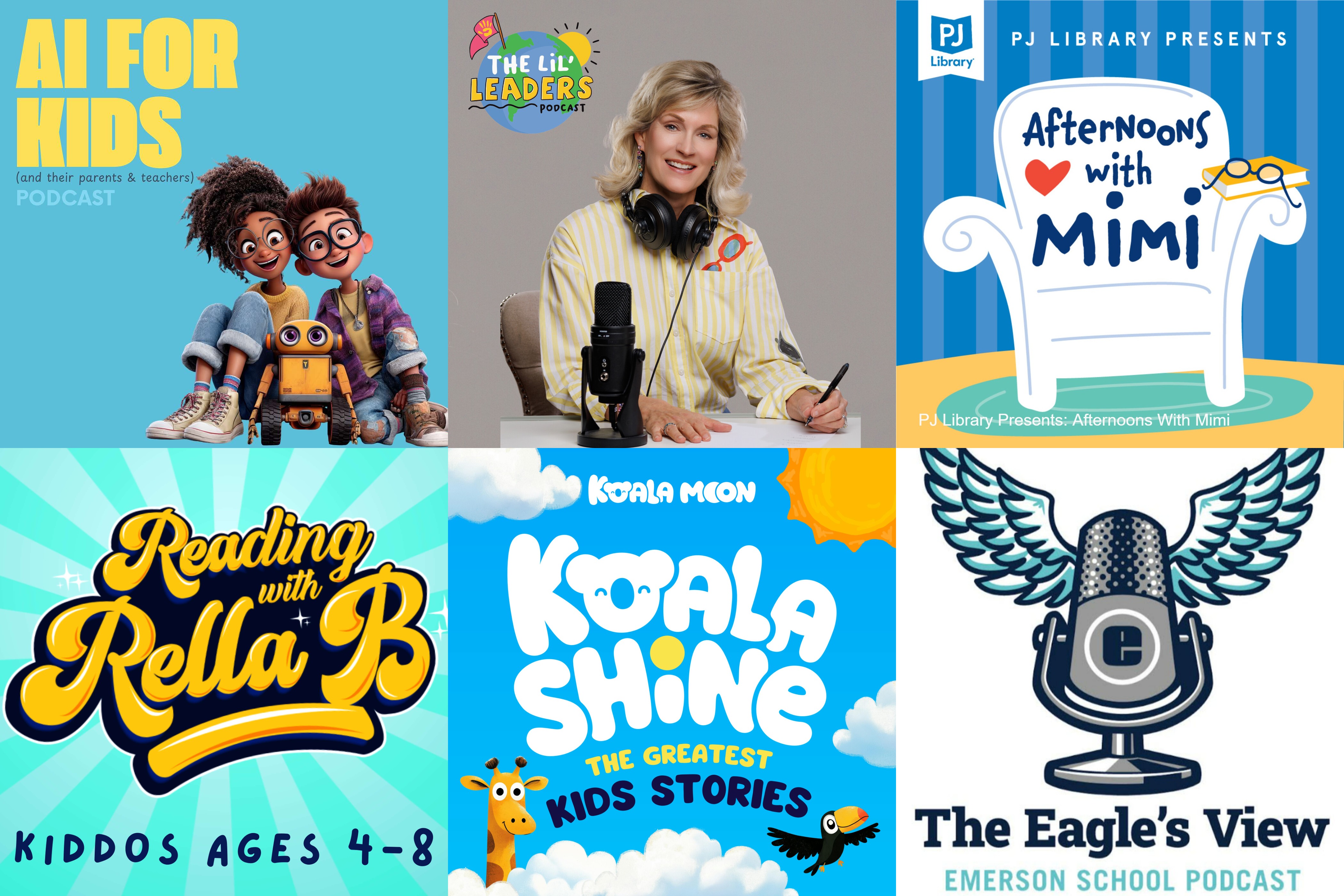
This show is built for children between four and twelve, with parents and teachers listening alongside. Episodes pair young hosts with AI specialists and explain, in plain words, what artificial intelligence is and where it already appears in daily life. Recent titles include "How Kids Can Build Real Apps with AI" and "AI Can Be Brilliant and Completely Wrong, Here's Why", which is a useful lesson in scepticism as well as vocabulary. The show is screen-free by design, and it gives families something to argue about in English afterwards, and arguing in English is good practice.
On ListenLeap the episode descriptions and subtitles make the technical words manageable, and a slower speed setting helps with the expert segments, where the sentences get longer.

2. PJ Library Presents: Afternoons With Mimi
Difficulty: A1 to A2. The gentlest entry on this list.
Theme: Family stories, snacks, and the small rituals of a grandmother's afternoon.
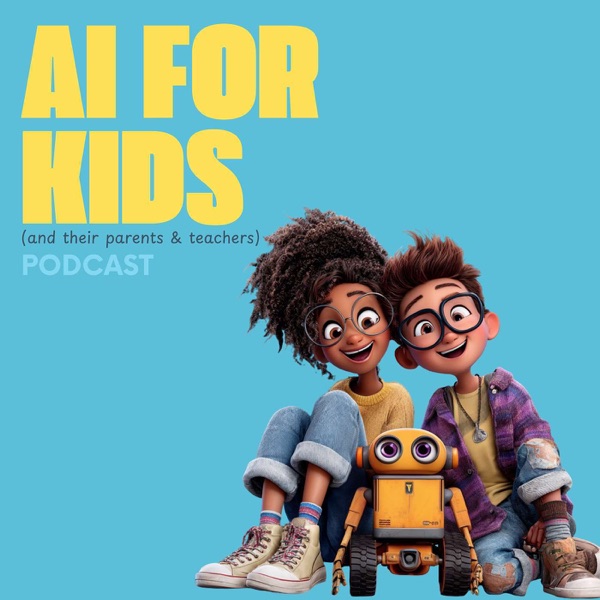
Once a month, Kiddo visits his grandmother Mimi for stories, snacks and snuggles. That is the whole format, and it works because the format never changes. Episodes such as "Kiddo Learns in His Own Way" and "Kiddo Respects The Humble House Spider" move slowly, repeat key phrases, and let a child hear the same sentence patterns in slightly different situations. For a beginner, that repetition is not boring; it is the reason the words finally stay.
ListenLeap is a good fit here because the subtitles are easy to follow line by line, and a parent can pause on a single sentence and replay it. Bedtime listening works well, since the pace drops rather than rises.

3. The Eagle's View
Difficulty: B1 to B2, best for ages nine and up.
Theme: A school podcast run by students, about school life and ridiculous debates.
Emerson School in Ann Arbor, Michigan, puts more than three hundred children in one building, and this show is their microphone. Episodes are student led: ranking favorite Halloween moments, arguing about which movie villains actually had a point, drafting candy brackets. The English is unscripted and fast in places, full of the fillers and interruptions of real conversation, the thing textbooks leave out. Children who have only heard careful, slow English often freeze the first time someone speaks naturally. This show is a useful corrective.
Listening on ListenLeap with subtitles on the first pass helps with the overlaps and the jokes; a second pass without subtitles shows how much was actually caught.


4. Koala Shine: The Greatest Kids Stories
Difficulty: A2 to B1.
Theme: Adventure stories with facts and jokes folded in.
Koala Shine takes listeners around the world and occasionally off it, and every story carries a small fact or a joke alongside the plot. Titles like "The Jupiter Twins: A Slug's Life" and "Betty Badger and the Treats who Tricked" show the range: animals, space, gentle Halloween mischief. The show is built as mindful, screen-free listening for young brains, which in practice means clear narration, modest episode lengths and a narrator who enjoys the material.
For vocabulary, stories are the best value per minute, because a plot gives a child a reason to hold on to a word. On ListenLeap, tapping an unfamiliar word mid-story does not break the spell, and the level tag makes it easy to slot this show between easier picture-book audio and full length novels.

5. Reading with Rella B
Difficulty: A1 to A2, aimed at early readers and their families.
Theme: Authors reading their own picture books, plus riddles and movement breaks.
This one is half storytime, half visit. Authors read their books aloud, then answer questions about how the story was made. Episodes feature writers such as Roxie Fiste, Sarai Ramos and Nathaniel A. Turner, and the show mixes in riddles, brain breaks and printable activities, so a child is doing something rather than only listening. For families who want reading and listening to reinforce each other, this is the most direct bridge on the list.
On ListenLeap the subtitles work as a read-along text, which suits children who recognise words on a page but hesitate over pronunciation. Hearing an author say a sentence, then seeing it highlighted, then saying it back is a short loop that pays off quickly.

6. The Lil' Leaders Podcast: Conversations with Kids
Difficulty: B1 to B2.
Theme: Confidence, friendship and responsibility, discussed by children.
Host Tina Shepardson, a teacher and children's author, talks with children about the ordinary moments where leadership actually happens: taking a chance, keeping a friendship, bouncing back after a setback. Episodes such as "Navigating Friendships and Emotions" and a discussion of children growing more independent are conversations rather than performances, so listeners hear questions, hesitation and answers in realistic English. Feelings and decisions are the vocabulary that school English tends to skip, and the one children need most when they open their mouths.
This is a good show for a child who is ready to talk back to the speaker. On ListenLeap, subtitle mode can be switched off for a challenge pass, and difficult words can be saved for later.

How to Start Without Turning It Into Homework
Start with one show, not six. Pick the one that matches the child's age and temperament, and play the first three episodes in a single week, ideally at the same time each day, so it becomes routine rather than a request.
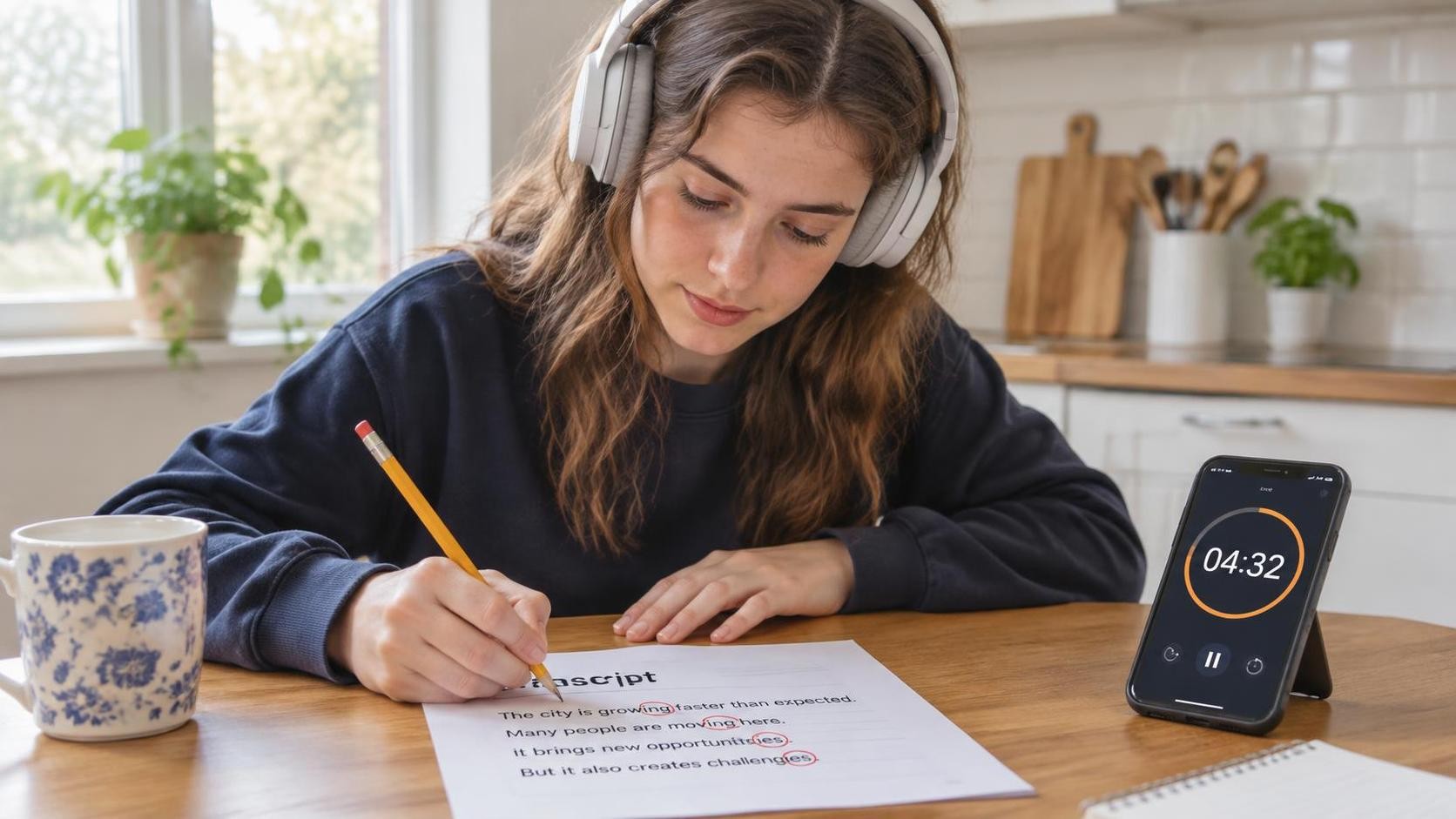
The first listen should be easy: subtitles on, no pausing, no questions. The goal is only that the child wants the next episode. The second listen can be slower. Pause once or twice, ask what a word might mean, replay a sentence, and let the child finish it out loud. Two or three of these exchanges per episode is plenty; more turns listening into a test.
Then let it go. Children often repeat phrases from a podcast days later, in the middle of something else, which is the signal that the language has moved in. A voice memo of the child retelling one episode in two sentences is a better record of progress than a vocabulary quiz, and far more fun to keep.
For families with more than one child, the car is the easiest room in the house: one episode between home and school, no negotiation about screens, and a shared reference for the rest of the day.
A Small Habit With a Long Return
None of these shows will make a child fluent in a month, and none of them pretend to. What they do is put real English into ordinary hours that would otherwise be filled with noise. A grandmother telling a story, a ten year old arguing about villains, an author reading her own book: these are the voices a child will remember, and the words come attached to them.
ListenLeap exists to make that listening easier to sustain, with subtitles that can be turned down as confidence grows and a difficulty label that answers the question parents ask most often, which is what comes next. Pick one show this week, play it in the car, and see what the child asks for on the way home.
Comments
No comments yet.
Leave a Comment