
Why classic literature turns listening practice into a pleasure
Classic novels and fairy tales sit at the centre of the English language. The authors who wrote them shaped modern vocabulary, sentence rhythm, and the way stories get told, and their work still sounds alive when read aloud. Listening adds a channel that reading alone cannot match. The ear catches phrasing, stress, and intonation that the eye tends to skip, and narrators of classic literature usually speak clearly and at a measured pace, which helps learners who are trying to stay with a story for a long stretch.
Repetition makes the payoff bigger. A single audiobook can run for many hours, yet each chapter keeps returning to the same core words and the same authorial voice. That steady return builds memory more reliably than a scatter of short clips. The six series below are full-length literary recordings with real audio feeds, and together they cover a wide range of difficulty, from the plain sentences of folk tales to the rounded prose of Victorian and French adventure fiction.
The extra layer that makes ListenLeap worth using
A listening session with any of these podcasts is already worthwhile, but pairing it with ListenLeap changes what a learner can take from an episode. The app streams the same series and adds learning tools on top of the audio. Bilingual subtitles run in sync with the narration, so a listener can follow the English text and glance at a translation when a sentence slips past. Difficulty grading points a learner toward a series that matches the current level instead of leaving the choice to guesswork.
Tap-to-look-up turns an unfamiliar word into an instant definition and a saved entry, which keeps a story moving without a detour to a separate dictionary. Playback controls support slower speeds and replay of a single paragraph, which is often what dense classic prose needs. For anyone who has abandoned an audiobook because the language felt too heavy, these tools are the difference between giving up and finishing the chapter.
Six classic literature podcasts worth your ears
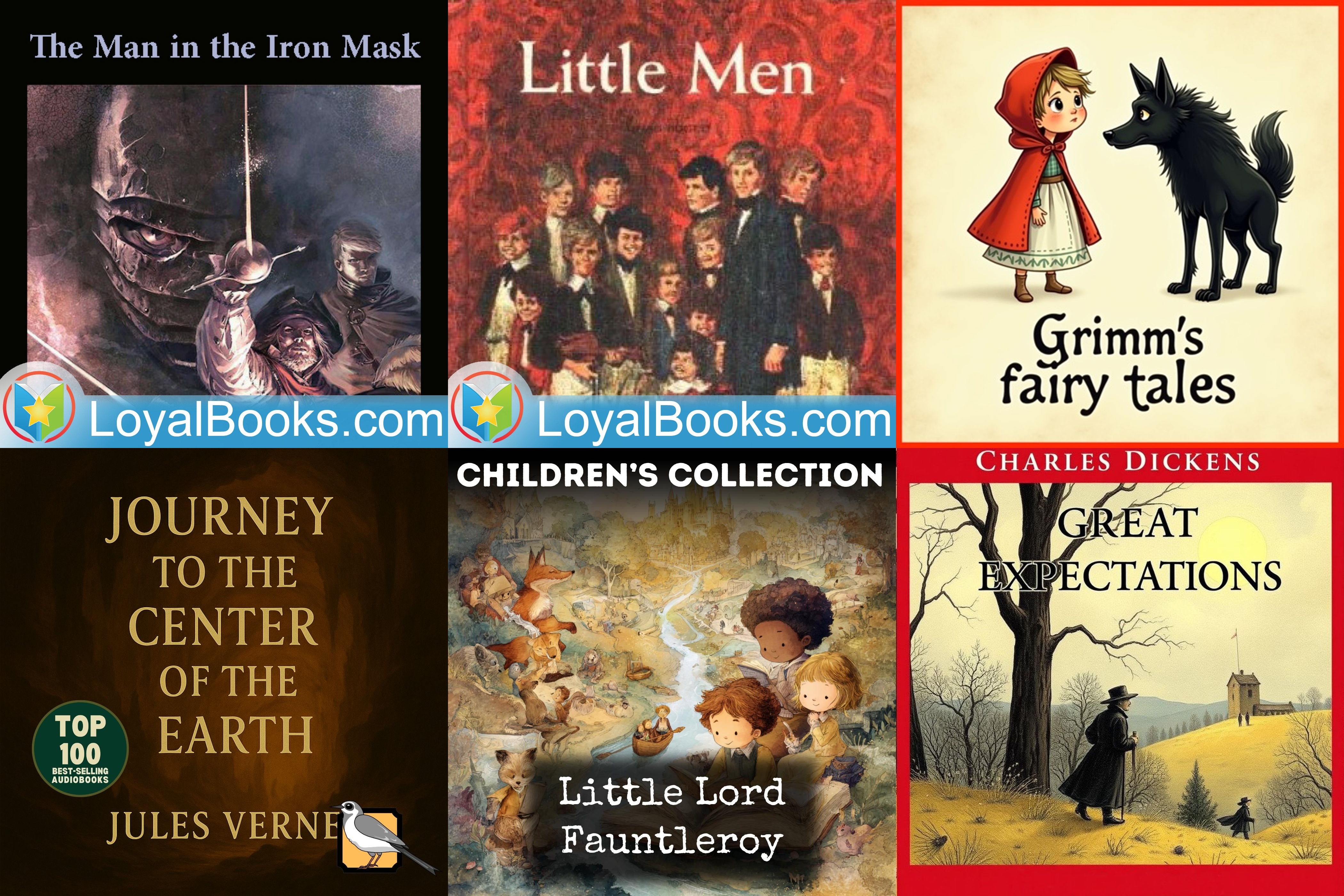
1. Great Expectations
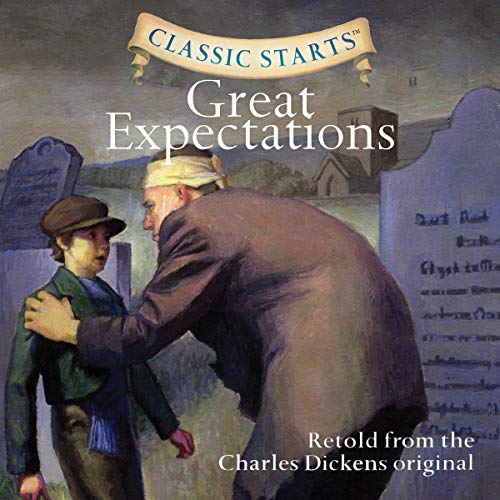
Pitched at an intermediate to advanced level, this full audiobook follows Pip, an orphan raised in rural England who is pulled toward wealth, the cold Estella, and a mysterious benefactor. Class, guilt, and self-discovery run through the whole book, so it hands a learner plenty of useful language for talking about ambition and identity. Dickens writes long, structured sentences, and the narration rewards anyone willing to stay patient, because progress is easy to feel from chapter to chapter.
On ListenLeap the chapter-by-chapter layout lets a learner take the book one sitting at a time, replay a hard passage, and look up Dickens-era words without losing the plot.
2. Grimm's Fairy Tales
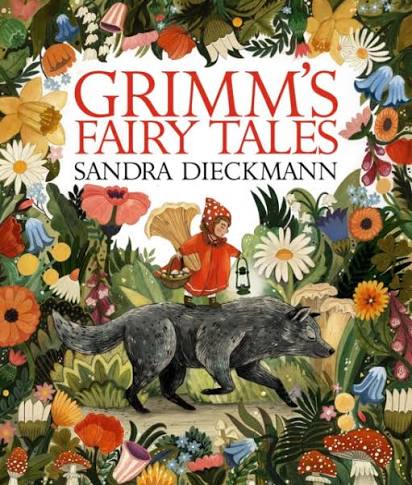
The Brothers Grimm collected short folk stories such as Little Red Riding Hood, Hansel and Gretel, Snow White, and Rumpelstiltskin, and the original versions are darker and stranger than the retellings most people meet first. Aimed at beginners and intermediate learners, the sentences are short, the plots are easy to follow, and each tale stands alone, which makes it the easiest place to start for anyone who wants a quick, self-contained win.
The standalone structure suits ListenLeap too, since one tale can be finished in a short session, with subtitles ready for the older words and instant look-up for the moral vocabulary that keeps coming back.
3. Journey to the Center of the Earth
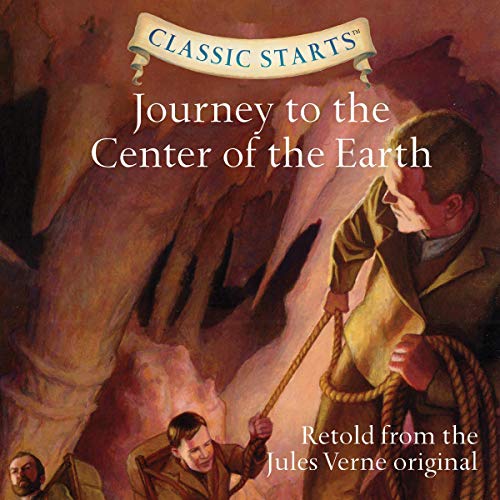
Jules Verne sends a professor and his nephew down a volcano and into a hidden world of caverns, prehistoric seas, and strange geology. The plot runs on discovery and suspense, so curiosity keeps pulling the listener forward. Its mix of scientific words and vivid description gives learners language for explaining processes, places, and surprises, and the vocabulary stays concrete enough to recall. A solid fit for the intermediate level.
The narration pairs well with ListenLeap's speed control, so a learner can slow the more technical passages and return to the normal pace once the terms feel familiar.
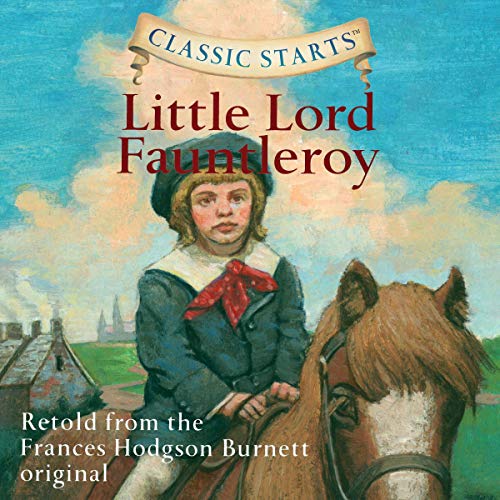
4. Little Lord Fauntleroy
Frances Hodgson Burnett's children's novel tells of a warm-hearted American boy who learns he is heir to an English earldom and slowly wins over his stern grandfather. First serialised in 1885, the book was popular enough to shift fashion and to help shape copyright law around its theatrical adaptations. Its emotional, dialogue-driven scenes are good for learning how English carries affection, manners, and gentle persuasion. Intermediate learners will find it approachable.
Episode-length chapters let a learner build a steady daily routine inside ListenLeap, with subtitles catching the period detail and quick look-up handling the formal titles and social terms.
5. Little Men
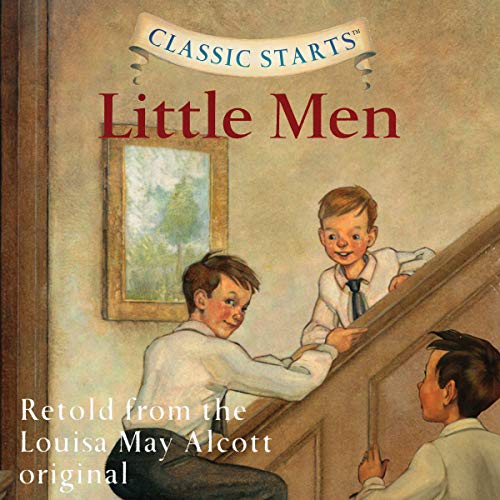
Louisa May Alcott's follow-up to Little Women continues the story of Jo March, who turns her inherited country estate into an unusual school for boys. Published in 1871 and drawn partly from Alcott's own life, the book is warm and built around character, full of everyday scenes that echo the conversations a learner will actually use. The moral asides and family drama widen vocabulary for emotions, instruction, and relationships. A gentle intermediate read.
Because the novel flows as a series of linked episodes, it fits ListenLeap's replay and bookmark tools, letting a listener revisit a favourite chapter and save its phrases for review.
6. The Man in the Iron Mask
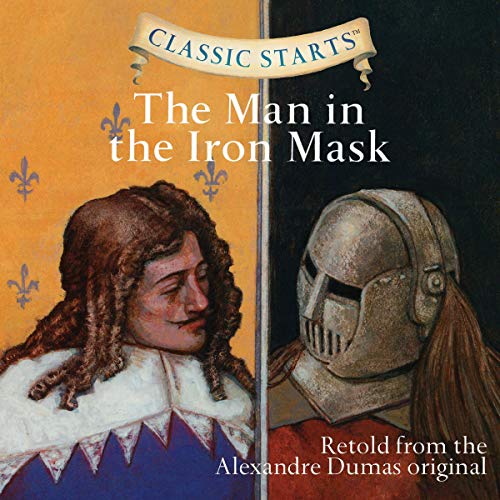
Alexandre Dumas closes the saga of the three musketeers with a prisoner whose face is hidden behind an iron mask and a plot to swap him for the king of France. The story moves through conspiracy, loyalty, and dangerous ambition, and it leans on the real, unresolved mystery of a man held for decades under one jailer. For an advanced learner, the quick-moving intrigue is a fine test of comprehension across long sentences.
On ListenLeap the harder stretches ease up through subtitles and paragraph-level replay, so the twists of the plot never turn into a wall of unfamiliar language.
How to start listening without getting overwhelmed
Beginners can open the fairy tales first and treat each short story as a complete lesson. Intermediate learners might move between a folk tale for ease and a novel for stretch, finishing one chapter of the longer book each day. Advanced learners can take on the Victorian prose directly, pausing only when a sentence truly resists.
A simple routine works well. Play one episode once without stopping, just to enjoy the story. Replay it with subtitles and collect a handful of new words. Then listen a third time with the text hidden. Over a week that rhythm turns passive listening into real retention, and the growing shelf of finished stories becomes a motive of its own.
A habit that grows with every chapter
The best reason to learn English through classic literature is that the reward builds on itself. Each finished story leaves a wider vocabulary, a sharper ear, and a little more confidence, and the next book feels lighter than the last. With these six series and the reading support inside ListenLeap, a nightly episode can turn into a habit that lasts.



Comments
No comments yet.
Leave a Comment