
Why Four Listening Apps End Up on the Same Shortlist
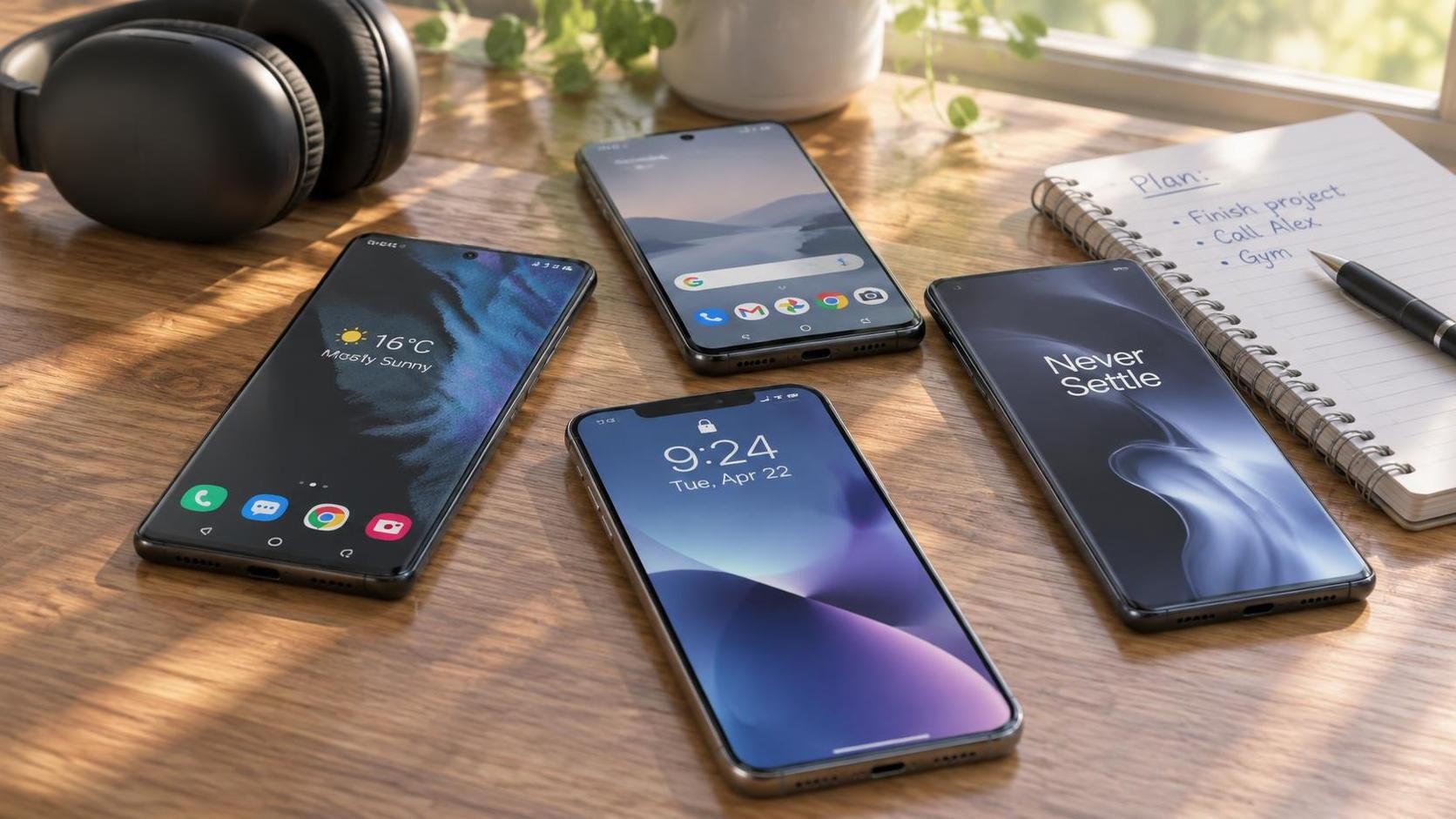
At 7:40 on a Tuesday morning, a commuter settles into a window seat with forty minutes of train time ahead and a phone already open. A colleague two rows back is replaying a YouTube interview inside an app that has turned the video into a lesson with bilingual subtitles. A student near the door is scrolling a library of more than 100,000 short videos sorted by topic and level. A third passenger is clipping a podcast segment and sending it to a notes app before the train reaches the next station. None of these habits is strange, and each one points to a different product: Miraa for imported media, VoiceTube for a large curated video library, Snipd for podcast knowledge capture, and ListenLeap for a mixed shelf that combines generated lessons, uploaded files and curated audio. Anyone who wants a single app to cover a full week of practice needs to know where each tool is strongest. The five dimensions below are the ones that usually decide whether an app survives past the first month: library model, subtitle support, difficulty control, speaking practice, and offline continuity.
Library Models: Imported Media, Curated Video, Podcast Clips, Mixed Shelf
Miraa is built around imported media. A video file, an audio file or a YouTube link becomes a lesson with AI transcription and bilingual subtitles attached to it. The appeal is freedom: learners are not limited to a fixed catalog and can study from a favorite channel, a recorded lecture or a documentary they already love. Content sources are entirely user driven, which also means the library is exactly as interesting as the learner's own taste.
VoiceTube takes the opposite route. More than 100,000 real videos come with professionally prepared Chinese and English subtitles, drawn from BBC, CNN, ABC, TED talks, popular YouTube channels, movie trailers, music videos and business or exam preparation material. The company has been running since 2013 and ships original learning videos as well. For a learner who wants to open an app and find something worth watching without searching, the depth of that catalog is the main attraction.
Snipd narrows the scope to podcasts and to knowledge work. AI chapters and summaries mark each segment with a timestamp, a single tap clips a passage into a saved library, and exports reach Notion, Readwise, Obsidian and Roam. It is a careful tool for people who treat podcasts as a stream of ideas they intend to keep.
ListenLeap runs a mixed shelf: AI generated lessons, user uploads, and curated audio that covers audiobooks, podcasts, courses and short clips. A learner can finish a curated series, then continue with a personal file, and the same difficulty system applies to both. That combination matters when a weekly routine includes more than one kind of audio.
Subtitles and the Tap That Decides Whether a Word Sticks
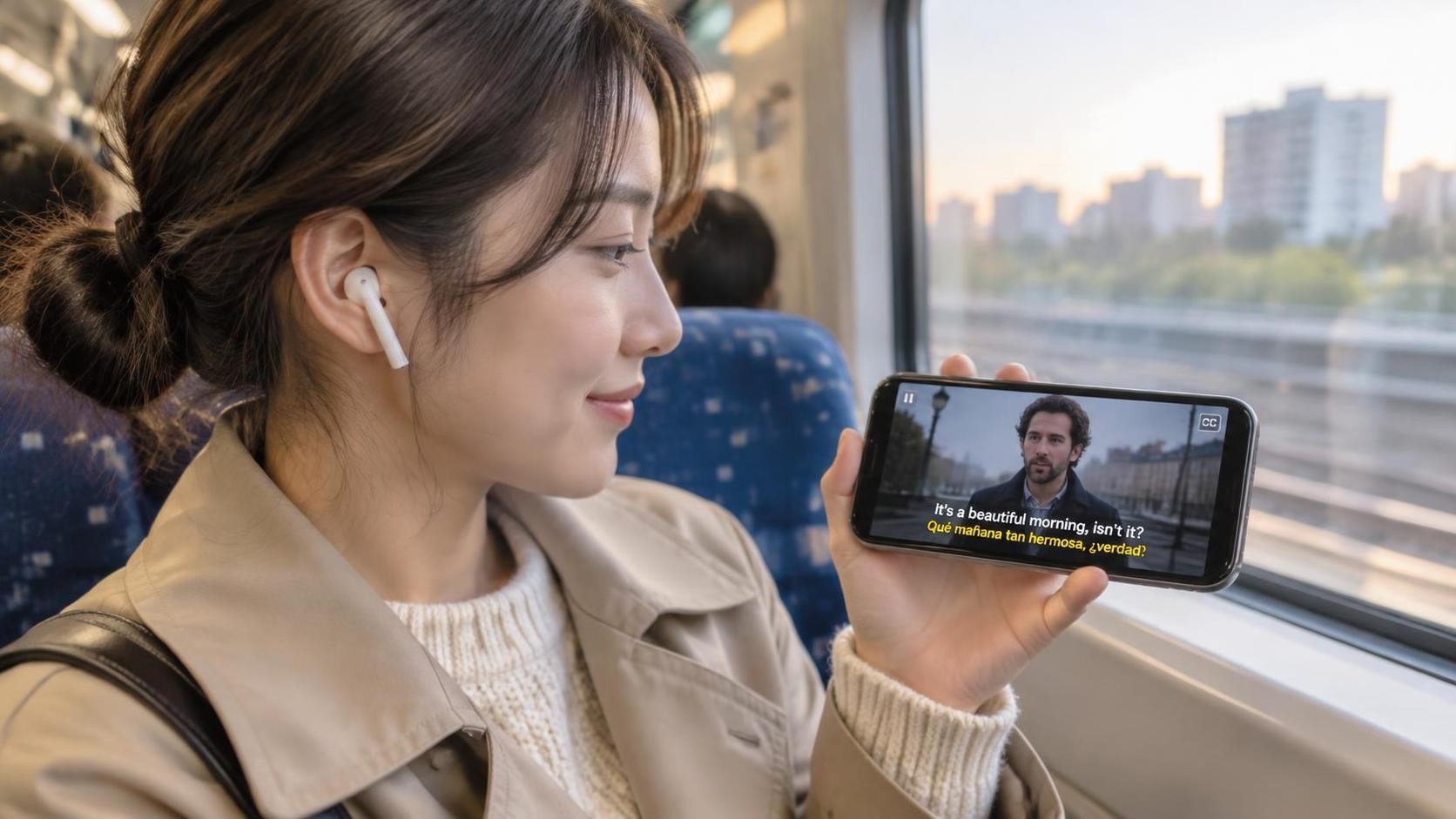
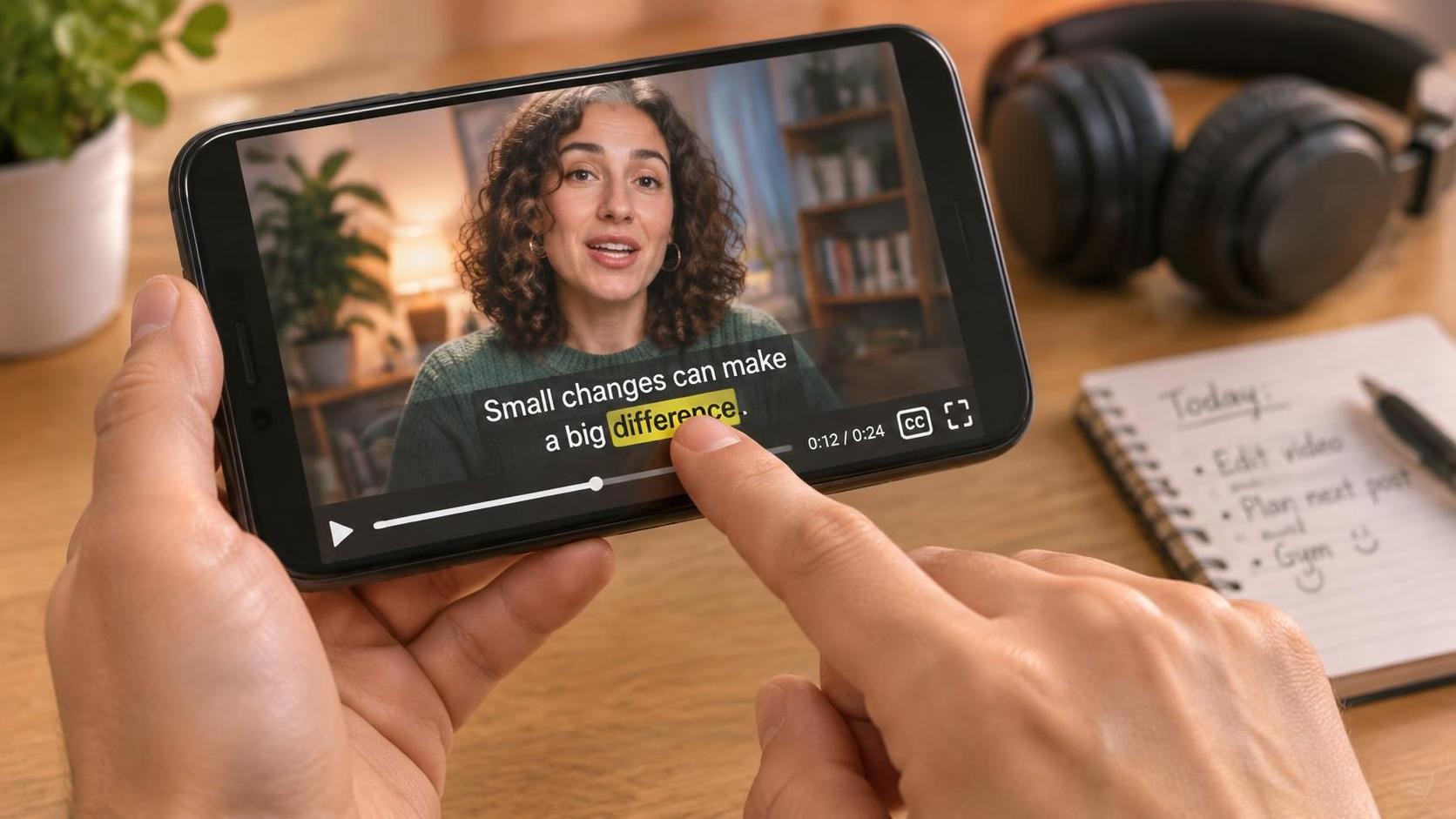
VoiceTube has the most polished subtitle workflow in this group. Subtitles are prepared by a team rather than generated, a tap on any word opens a dictionary entry with a definition, pronunciation and usage examples, and a sentence loop with adjustable speed lets a learner repeat one line until it lands. For Chinese-speaking learners, that combination is hard to beat on convenience.
Miraa handles subtitles through AI. Any language pair can be generated, and tapping a phrase returns an explanation with context rather than a bare definition, which helps with slang, idioms and half-finished sentences that dictionaries handle badly. The output depends on model quality, but the range of content it can cover is wider than a curated library allows.
Snipd transcribes in a single language and keeps the text as a navigation aid for summaries. Word-level study is not part of the design, and bilingual display is not offered.
ListenLeap pairs bilingual subtitles with AI explanation, vocabulary extraction and an AI reading assistant. A tap produces a contextual explanation, the sentence can be replayed, and the new word can be collected for review without leaving the lesson. Multi-language support also means the same workflow is available to learners who are not studying English.
Difficulty Control and Personalization
VoiceTube sorts videos into three levels, beginner, intermediate and advanced, based on vocabulary range and speech rate. The labels are clear and easy to trust, though three buckets cannot describe every learner.
Miraa leaves grading to the learner. Since content is imported, the difficulty of a lesson is the difficulty of the source material, and the app does not attempt to place it on a scale.
Snipd does not grade content at all, which is reasonable for a knowledge tool and less useful for language study.
ListenLeap applies AI dynamic difficulty adjustment, so the level of a lesson shifts as accuracy and pace change. The system also keeps multiple levels across the library, which gives a learner a way to step down on a hard day and step up when a topic feels easy.
Speaking Practice That Goes Beyond Passive Listening
Miraa includes shadowing and read-aloud practice, a sensible fit for a tool built on imported media, and it pairs that with spaced repetition so words from a session return later.
VoiceTube lets a learner record a sentence and compare the recording with the original audio, and a basic AI conversation partner is available as an advanced feature. The core loop remains watch, look up, repeat.
Snipd has no speaking tools, by design.
ListenLeap places AI conversation with feedback next to listening. A learner can discuss the episode, receive pronunciation feedback, and ask the AI tutor about a phrase that did not make sense. Speaking and listening share one session instead of living in separate apps.

Offline Sessions and Device Continuity
Miraa is mobile only, and transcription needs a connection, so offline use is limited.
VoiceTube offers video downloads on the paid tier and syncs across iOS, Android and the web.
Snipd runs on iOS and Android, and its AI features need a network.
ListenLeap supports offline downloads and syncs progress across iOS, Android and the web, which matters for a learner who starts on a phone during a commute and finishes on a laptop at night.
Where ListenLeap Fits in a Crowded Week
Each app above is good at one thing, and the differences are structural rather than a matter of polish. Miraa is the most flexible way to turn existing media into lessons. VoiceTube has the deepest professionally subtitled video library for Chinese-speaking learners. Snipd is the most thoughtful podcast capture tool for people who live inside a notes system. ListenLeap is the one that tries to hold a full week together: a mixed library so there is always something to open, bilingual subtitles with AI explanation so a difficult line does not end a session, dynamic difficulty so the material keeps pace, AI conversation so speaking does not require a second app, and offline downloads with cross-device sync so a routine survives a commute, a gym session and a late night. For a learner whose schedule changes every week, that breadth removes the small decisions that usually end a streak.
Which App Fits Which Learner
A learner with a favorite YouTube channel or a stack of recorded lectures will get the most from Miraa, because imported media is the whole point. A learner who wants a large, well-subtitled video catalog and prefers studying through Chinese will find VoiceTube comfortable. A knowledge worker who treats podcasts as research material and keeps notes in Notion or Obsidian should look at Snipd first. A learner who wants one app for audiobooks, podcasts, courses and personal files, with graded difficulty, speaking feedback and offline study, will find the mixed shelf of ListenLeap closer to a complete routine.
A Two-Week Test That Answers the Question
The fastest way to settle the choice is a short trial with the same content. Pick one episode or one video, open it in two apps, and note where the session slows down: at a missing subtitle, at an unexplained phrase, at a level that feels wrong, or at a device that cannot continue where the last one stopped. Two weeks of that comparison usually produces a clear answer. ListenLeap offers a free tier, so the test costs nothing beyond the commute.

Comments
No comments yet.
Leave a Comment