

Many people spend years studying English but still feel uncomfortable when it’s time to speak. They know grammar rules, memorize vocabulary, and pass written exams, yet everyday conversations remain stressful. The core issue is simple: they rarely interact with real, living English.
Language isn’t just a set of rules. It’s a skill built through exposure, repetition, and real-time responses. Without that exposure, even advanced learners struggle to react naturally in conversations.
What “Lack of Exposure to Real English” Really Means
When learners don’t regularly hear or use English in real situations, their brains never fully adapt to the rhythm, speed, and unpredictability of the language.
This lack of exposure often looks like:
Understanding textbook dialogues but not real conversations
Knowing vocabulary but hesitating to speak
Feeling lost when listening to native speakers
Translating every sentence in your head
English becomes something you study, not something you use.
Where the Problem Usually Starts
The issue usually begins in traditional learning environments:
Without daily, natural interaction, the brain treats English like an academic subject instead of a communication tool.
How to Fix It: A Step-by-Step Guide
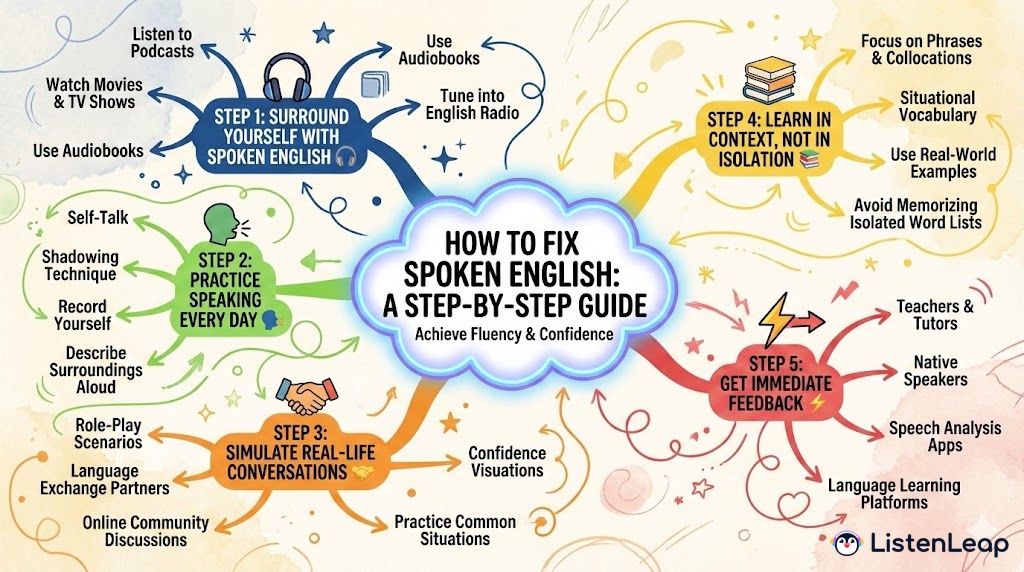
Step 1: Surround Yourself with Spoken English 🎧
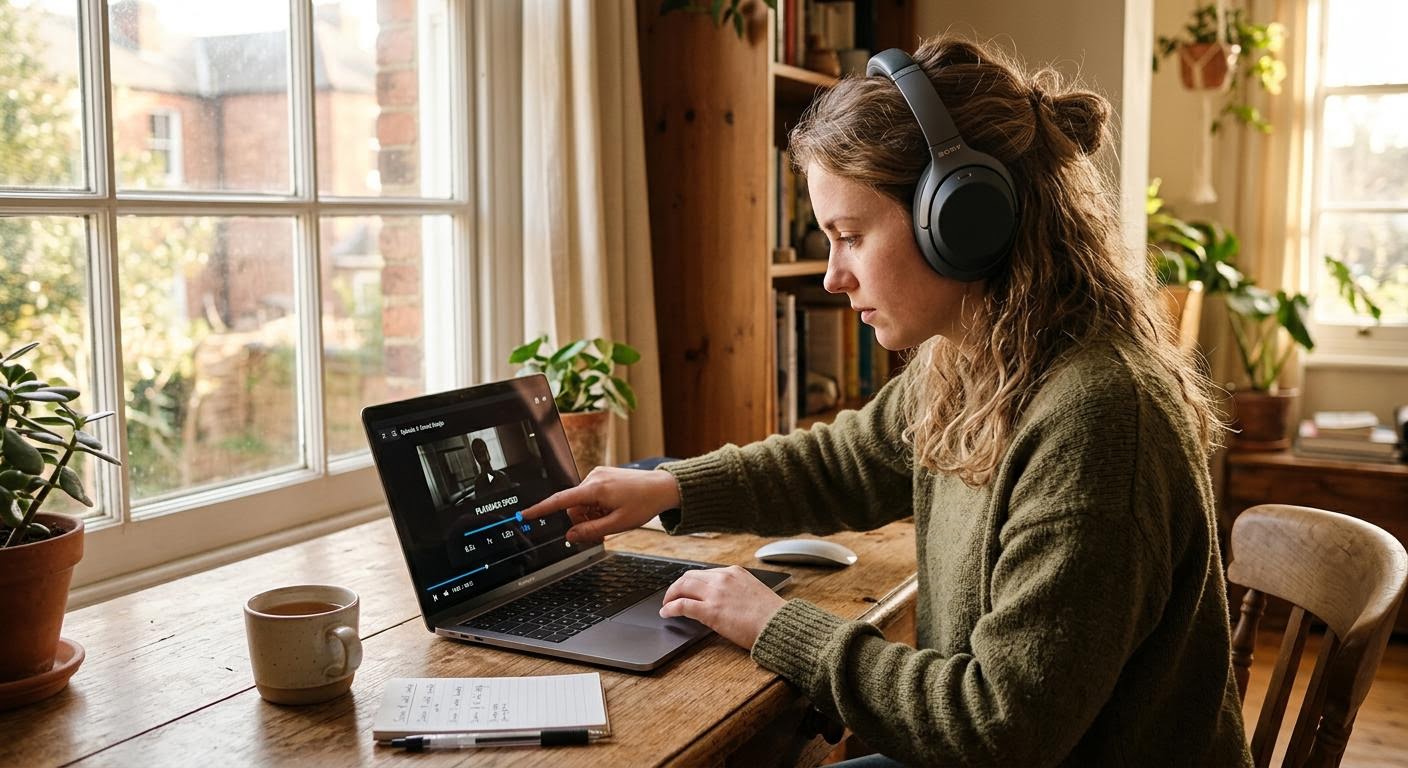
Replace passive study time with active listening.
Watch short videos in English
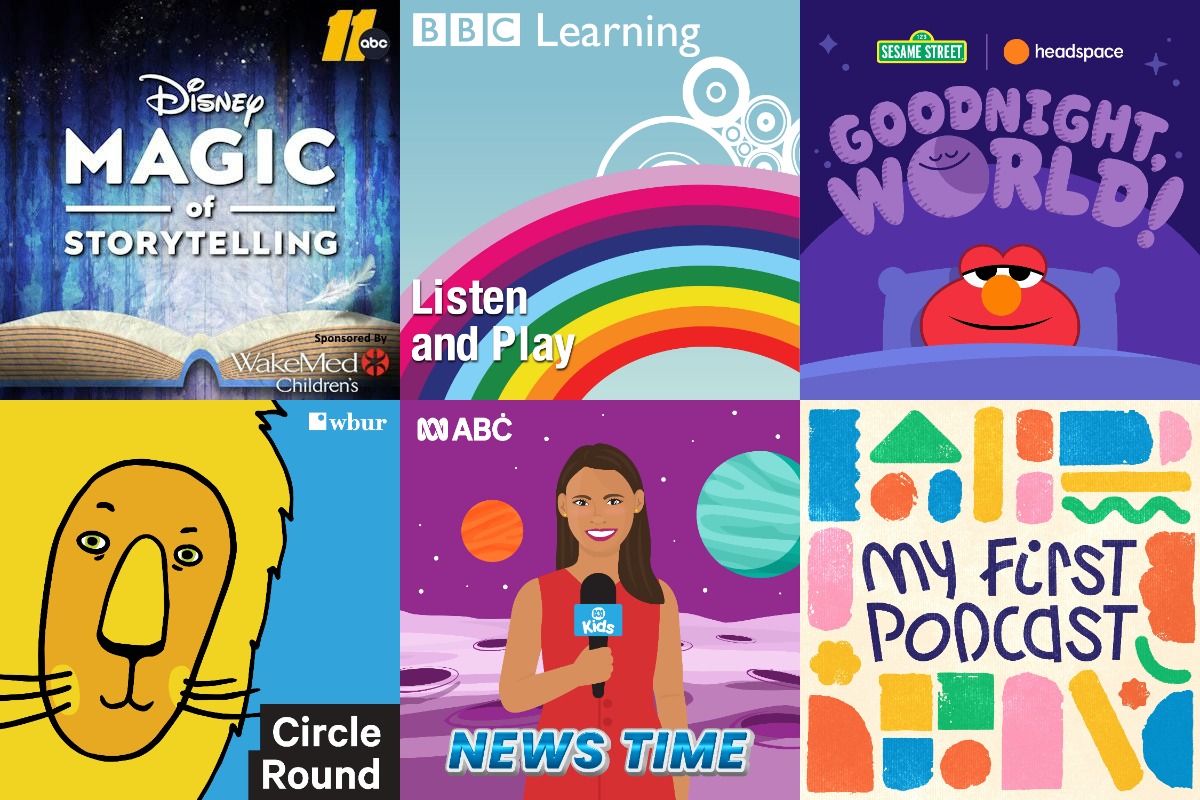
Listen to podcasts during commutes
Turn your phone language to English
The goal is daily contact with real speech.
Step 2: Practice Speaking Every Day 🗣️
Speaking is a muscle. If you don’t use it, it weakens.
Talk to yourself about your day
Read short passages out loud
Repeat sentences you hear
Consistency matters more than duration.
Step 3: Simulate Real-Life Conversations 🤝
You don’t need to travel abroad to practice real English. Apps like ListenLeap help recreate meaningful language exposure by transforming real podcasts and videos into interactive learning experiences where you can:
Explore content based on your interests and level
Engage with natural spoken English in authentic contexts
Use AI-powered support to better understand and retain what you hear
Learning through real-world audio helps your brain adapt to natural English far more effectively than isolated textbook drills.
Step 4: Learn in Context, Not in Isolation 📚
Instead of memorizing word lists:
Learn phrases used in real situations
Notice how words are used in conversations
Focus on meaning, not just definitions
Context builds memory and confidence.
Step 5: Get Immediate Feedback ⚡
Correcting mistakes early prevents bad habits.
Record your voice and listen back
Use tools that give pronunciation feedback
Repeat corrected sentences immediately
Some AI-powered English learning apps integrate intelligent assistance to help you understand usage, pronunciation, and context more efficiently, accelerating long-term improvement.
Practical Tips, Smart Habits, and Common Mistakes
What Helps Most
Short, daily speaking or listening sessions
Listening to natural, unscripted English
Practicing with authentic, real-world content
Common Mistakes to Avoid
Studying grammar without speaking
Waiting until you feel “ready” to talk
Memorizing long vocabulary lists
Practicing only in artificial dialogues
FAQ
Why is real English exposure so important?
Because language is a communication skill. Without hearing and using it in real situations, your brain can’t develop automatic responses.
Can I improve without living in an English-speaking country?
Yes. Daily listening, speaking practice, and consistent exposure to authentic content can replace much of that environment.
How much exposure do I need each day?
Even 15–20 minutes of real listening and active engagement can make a noticeable difference over time.
Quick Summary
Take the Next Step
If you want to overcome the lack of real English exposure, the key is simple: engage with real English every day.
ListenLeap transforms English podcasts and videos into powerful learning tools. It recommends content based on your interests and level, provides AI-powered assistance, and helps you build lasting comprehension through authentic listening.
Search for ListenLeap on the App Store or Google Play, download it, and start improving your English today.


Comments
No comments yet.
Leave a Comment