

Why Dictation Reveals What Casual Listening Misses
Most learners spend hours with English audio playing in the background and still freeze when a native speaker talks at normal speed. Passive listening trains the brain to tolerate sound, not to decode it. A listener can follow the general mood of a podcast while missing half the words, and nothing in the experience forces that gap into view.
Dictation changes the task. It asks the learner to write down exactly what was said, word for word. Every blurred consonant, every dropped ending, every run-together phrase becomes a visible error on the page. The discomfort is the point. It turns vague "that sounded right" feelings into a concrete list of sound patterns that still need work.
The routine below takes about thirty minutes a day. It needs a short audio clip, a way to replay small sections, and something to write on.
The gap between recognizing words and catching them at speed
A learner who reads "would have been" instantly can still miss it in speech, where it collapses into something close to "would've been." Textbook audio pronounces each word cleanly. Real conversation does not. Dictation targets that exact layer of listening: the compressed, connected form of English that shows up only when people speak naturally.
Four Passes That Turn a Clip Into a Lesson
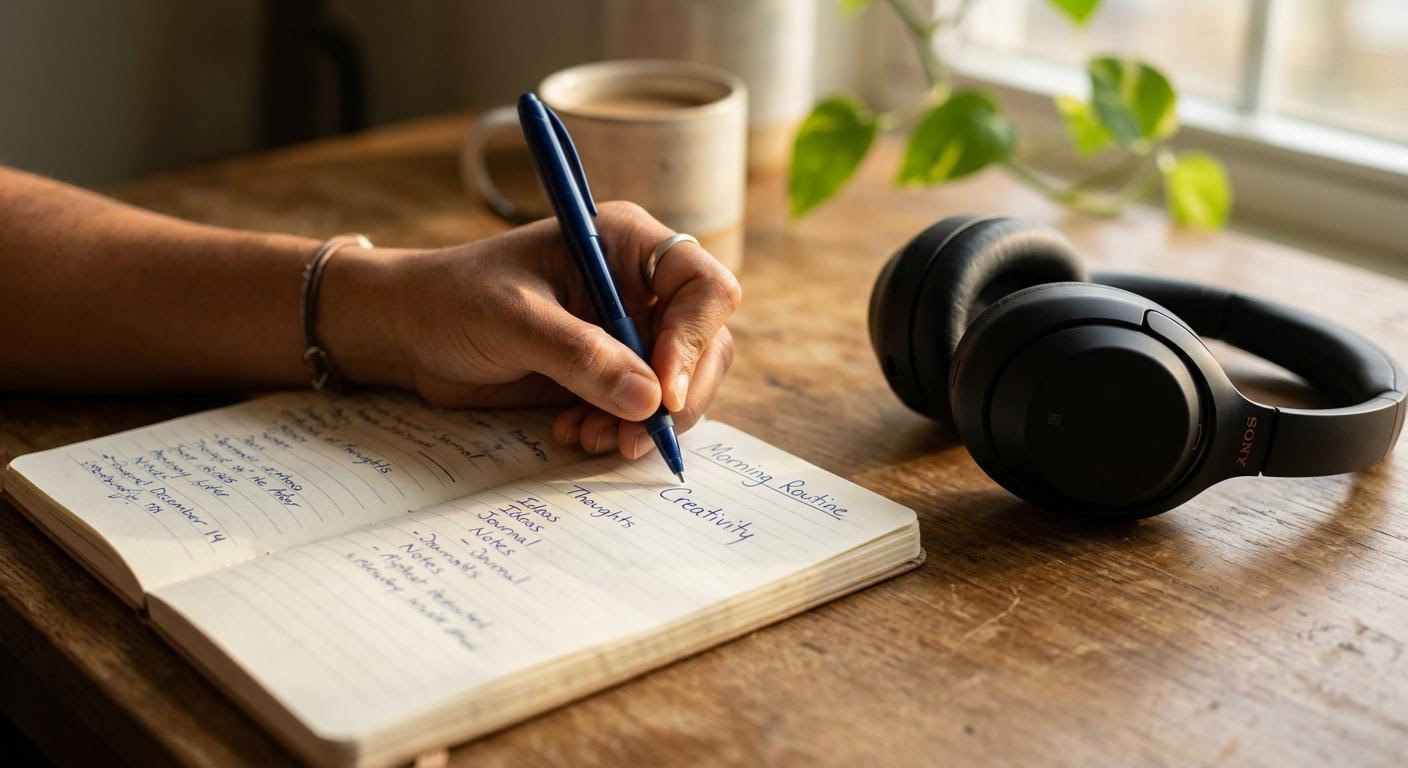
The strength of dictation comes from repetition with a purpose. Each pass has a different job, and skipping passes is what makes the method feel pointless. A clip of sixty to ninety seconds is enough for one session. Longer audio overwhelms the working memory that dictation depends on, and the writing slows to a crawl.
Pass one: listen without writing
Play the clip from start to finish with no pauses. Do not write anything yet. This first listen builds a mental map of the topic, the speaker's tone, and roughly where the difficult stretches sit. Note the landmarks in the head rather than on paper: around the forty-second mark the speaker speeds up, near the end two voices overlap.
Pass two: capture one sentence at a time
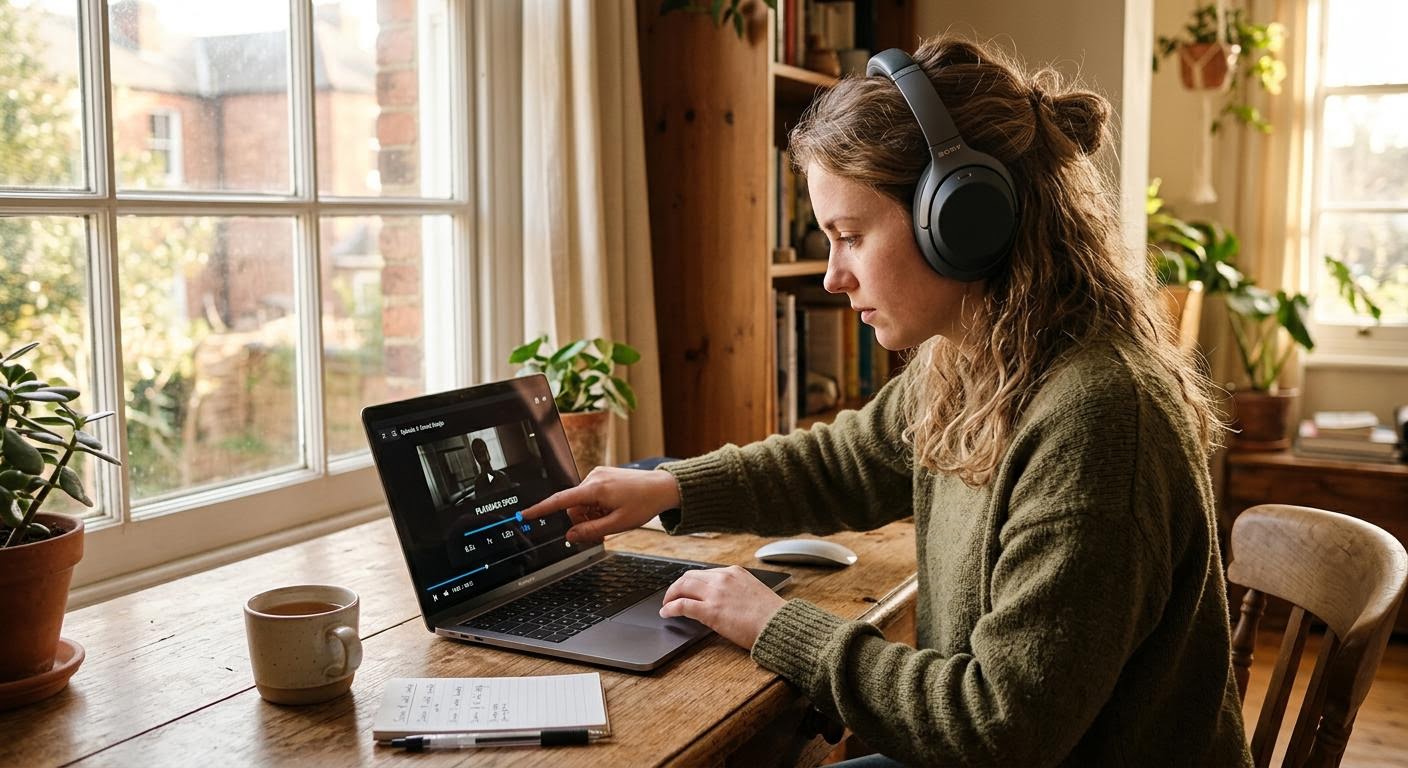
This is the working pass. Replay the clip one sentence at a time and write down every word that can be caught. ListenLeap's sentence-by-sentence playback mode is built for this stage, since it isolates a single line and repeats it without the learner dragging a scrub bar back and forth. When a sentence still will not resolve after three or four tries, write the sounds as they were heard, even if the spelling is invented. Guessing honestly is more useful than guessing silently.
Pass three: compare against the transcript
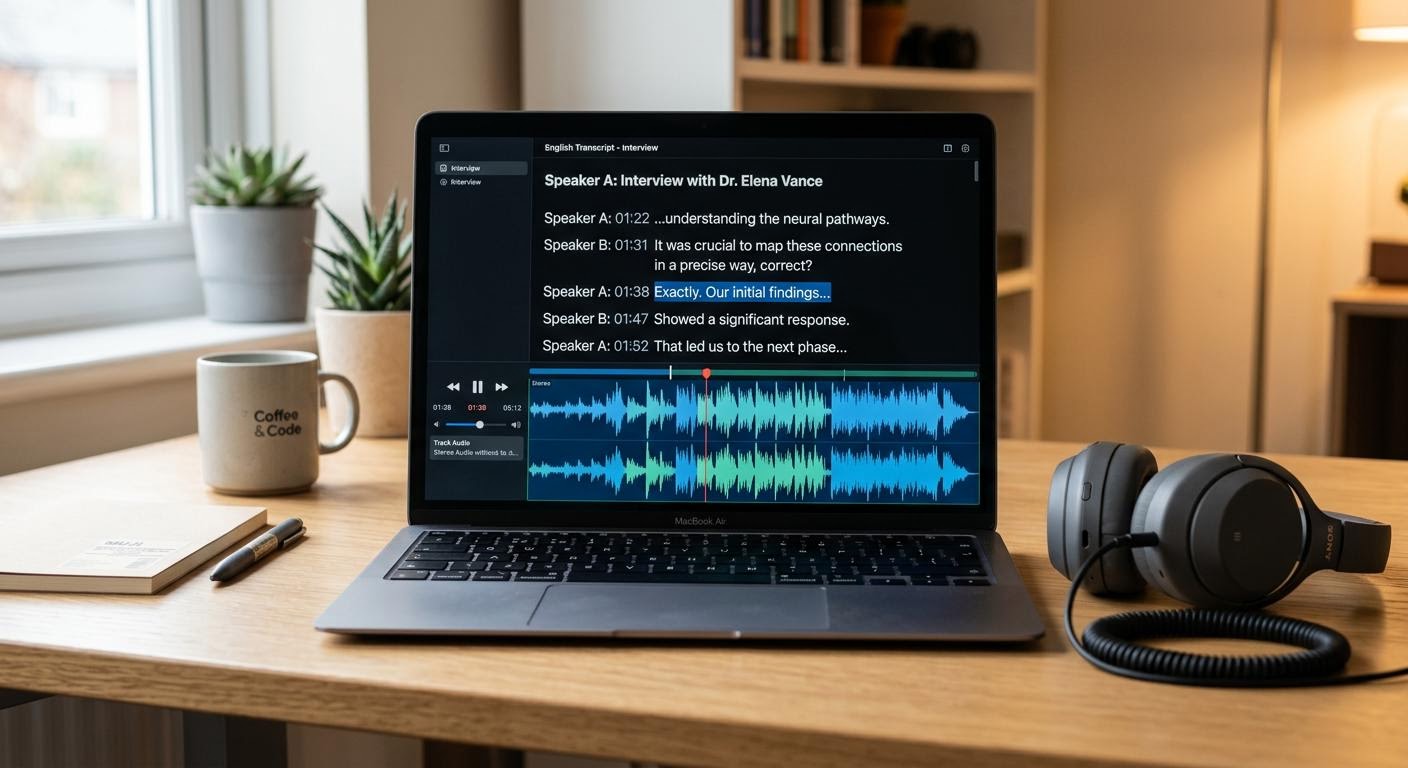
Only now does the learner open the transcript. ListenLeap shows synced text alongside the audio, so a tap on any line jumps straight to that moment. The comparison is where the learning happens.
Common discoveries at this stage tend to repeat:
- Function words such as "of," "to," and "and" get swallowed and sound like a single vowel.
- Word endings like -s, -ed, and -t vanish in fast speech.
- Two words fuse into one sound, as in "an apple" becoming "a napple."
Each mismatch should be written in a separate column with a short note on what went wrong. After a week, these notes start to repeat, and the repeated ones are the true problem areas.
Pass four: shadow the corrected lines
Understanding a line and producing it are different skills, and dictation alone can leave pronunciation untouched. The final pass closes that loop. Using the same isolated sentences, the learner repeats each one aloud immediately after the speaker, matching rhythm and stress rather than just the individual sounds.
ListenLeap's speaking score gives feedback across pronunciation, fluency, and completeness, which turns shadowing from a guessing game into something measurable. A learner who keeps seeing a weak score on the same sentence finally has a reason to slow down and rebuild that line instead of moving on.
Building Dictation Into a Real Week
A method that demands an hour a day rarely survives past the first busy week. Thirty focused minutes, four or five days a week, is enough to see the pattern shift.
A workable daily block
- Ten minutes: one fresh clip, first pass plus sentence-by-sentence capture.
- Ten minutes: transcript comparison and error notes.
- Ten minutes: shadowing the worst three sentences until the score steadies.
Alternating difficulty across the week
Chosen clips should move between two extremes. Conversational podcasts with two hosts stress casual reductions and overlapping speech. Narrated audio, news reads, and lectures stress dense vocabulary and longer structures. A week that only uses one type will overfit the ear to that single style. ListenLeap's library covers documentaries, interviews, and everyday conversation, so the mix is easy to keep varied without hunting for new sources.
Choosing clips that respect the method
A good dictation clip has clear speech and a topic the learner already understands in general terms. Comprehension should be limited by sound, not by strange subject matter. If a clip is packed with unfamiliar technical terms, the exercise turns into vocabulary study and the listening goal gets lost. Recorded interviews and short explainer segments usually strike the right balance, while clips with heavy background music force repeated rewinds that add nothing to ear training.
Tracking error types instead of scores
A running tally of mistakes is more useful than any single percentage. Three columns work well: sound missed, word missed, and meaning missed. When the "sound missed" column grows, the problem is ear training. When "meaning missed" grows, the issue is vocabulary or background knowledge. The two problems need completely different fixes, and the tally keeps them from being confused.
Traps That Waste Practice Time
Several habits quietly cancel the benefit of dictation.
- Rewinding to the start of the clip every time a sentence is unclear. Replay the single line, not the whole segment.
- Writing the transcript before trying to hear it. Copying trains the eyes, not the ears.
- Reusing one favorite clip for weeks. Familiar audio gets easier because it is familiar, not because the ear improved.
- Chasing perfect spelling of a foreign word. Mark it, keep moving, and confirm it during the comparison pass.
What Progress Actually Feels Like
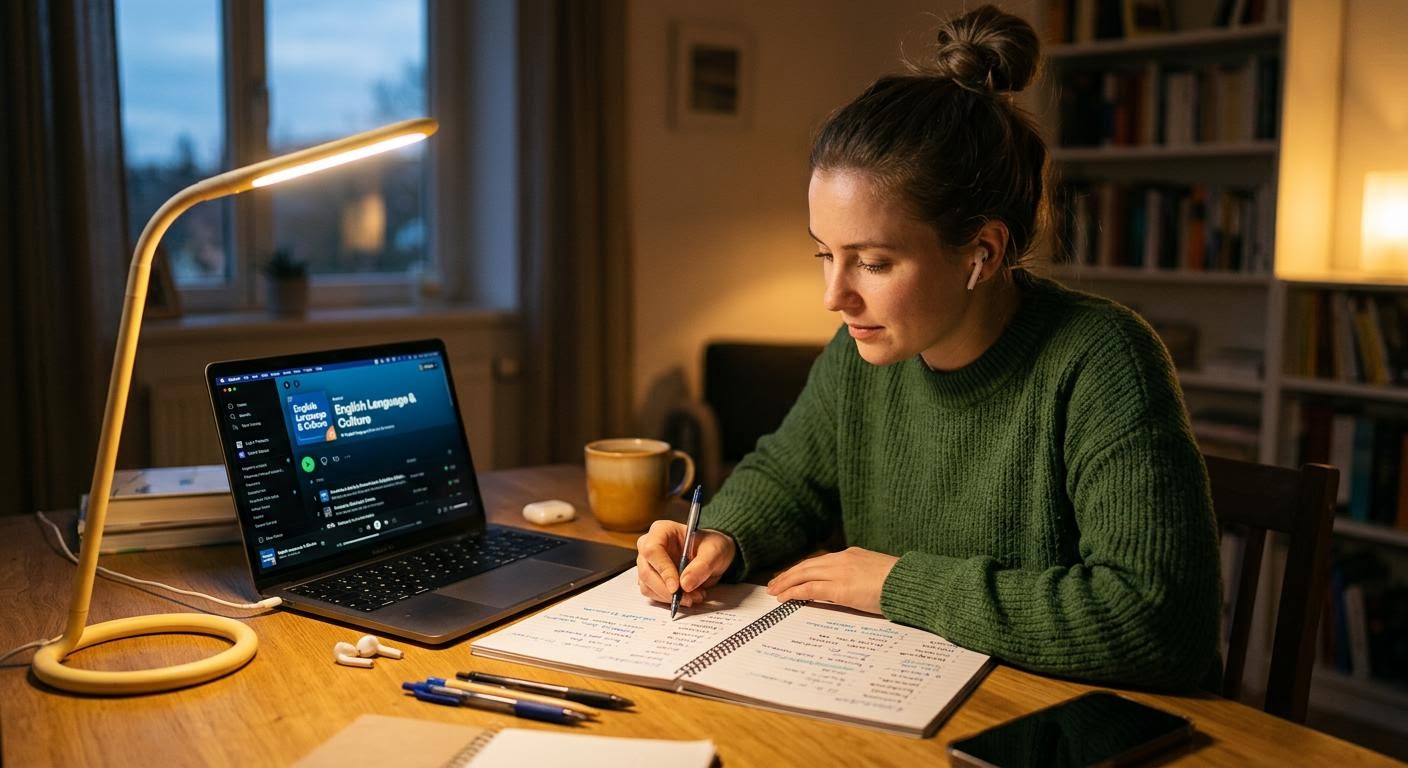
Dictation is slow on the first attempt and fast on the tenth. Within a few weeks the endless rewinding shortens, because the ear starts predicting how a sentence will unfold. Within a few months, the sentences that once needed five replays resolve in one.
The real signal is not a higher score on a familiar clip. It is hearing a new episode at normal speed and noticing that fewer words slip past. That shift comes from hours of tiny corrections, one sentence at a time, until the compressed sounds of spoken English stop being invisible.


Comments
No comments yet.
Leave a Comment