Fix Your Outdated English Expressions Fast
Speaking English fluently is not just about grammar. It’s also about sounding natural in real conversations.
Learn Real English with Podcasts & Videos — Understand the World, One Episode at a Time
Speaking English fluently is not just about grammar. It’s also about sounding natural in real conversations.
Even confident English learners make subject-verb agreement errors. The problem usually isn’t a lack of vocabulary or ideas.
Verb tenses shape how we talk about time. Whether you’re describing yesterday’s meeting, today’s routine, or next year’s plans, choosing the right tense makes your meaning clear and natural.
When you’re learning a new language, numbers and time expressions often seem simple at first. But in real conversations, they quickly become confusing.
Is your progress stalled because your pronunciation errors have become deep-rooted habits?
You’ve studied vocabulary lists, watched videos, and maybe even practiced with native speakers. But somehow, you still trip over the same words again and again.
Getting comfortable in a new language isn’t just about knowing words—it’s about catching meaning in real time and responding without freezing.
Understanding a language isn’t just about vocabulary—it’s about being able to follow real people at real speed.
You may know the vocabulary, understand the grammar, and follow most conversations in English—until someone with a different accent starts speaking.
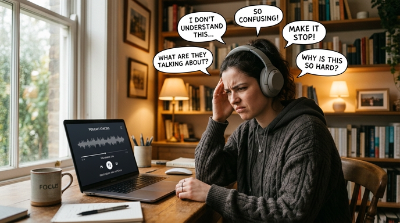
Many learners reach a strange plateau: they can read articles, emails, and even novels in English, yet feel completely lost when someone speaks.