
The Real Question Behind Every App Comparison
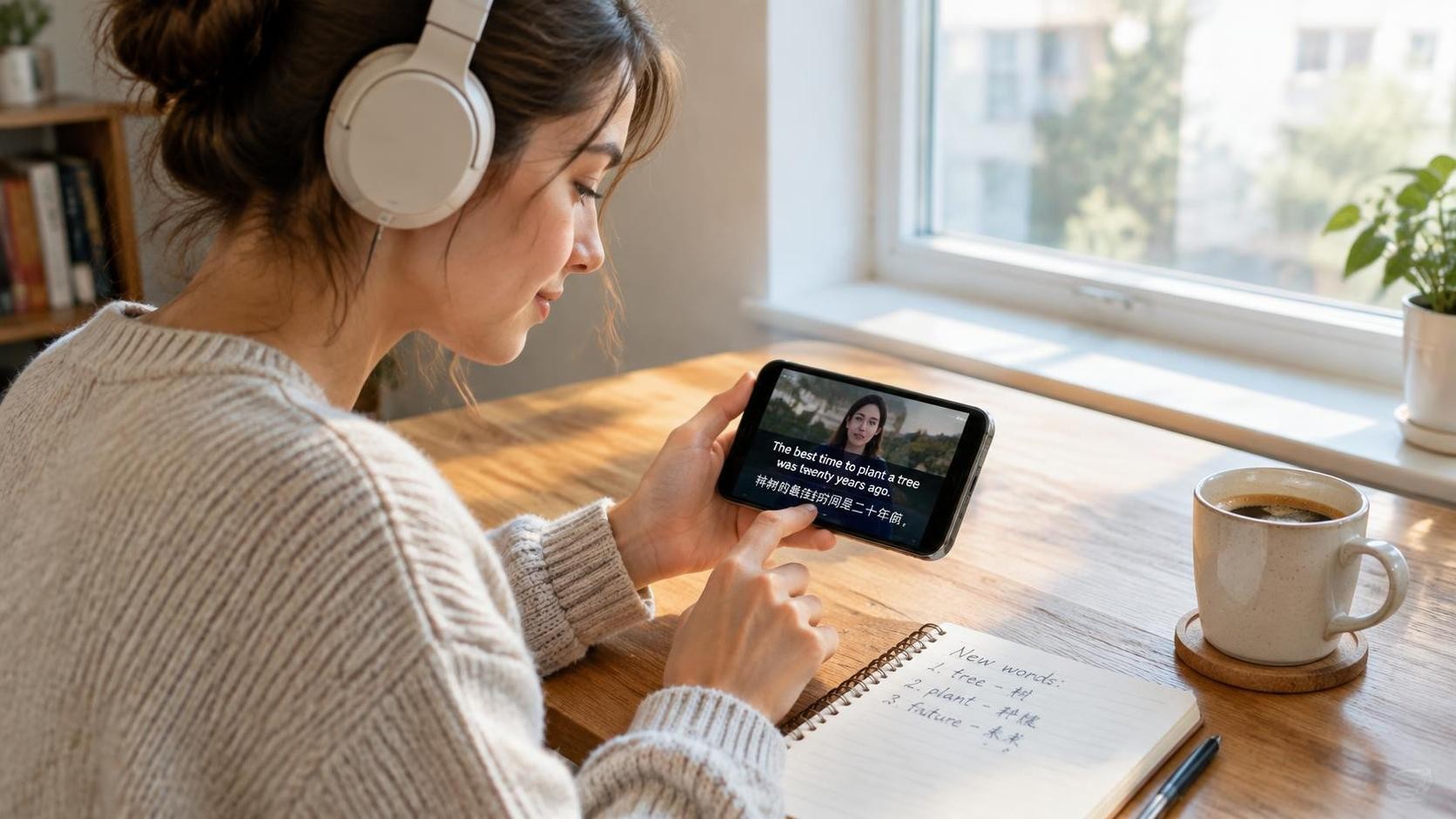
Daniel had a routine that looked productive and felt exhausting. Every few weeks he downloaded a new podcast app, saved a dozen episodes he never finished, and ended the month unsure whether his English had improved at all. His problem was not effort. It was fit. The apps he cycled through were built for different jobs, and none of them made clear which job it was solving.
That confusion is common. The audio learning space has become crowded, and the marketing language across products sounds nearly identical. PodWise, Snipd, Miraa, and ListenLeap all live in this space, and each one genuinely excels at something specific. The useful question is not which app wins in the abstract, but which mix of strengths matches how a particular learner actually studies.
This guide compares four apps across the dimensions that matter most for building a durable English listening habit. Each app gets credit for what it does well, and the differences are laid out so learners can choose with clear expectations instead of guesswork.
What Each App Set Out to Do
PodWise
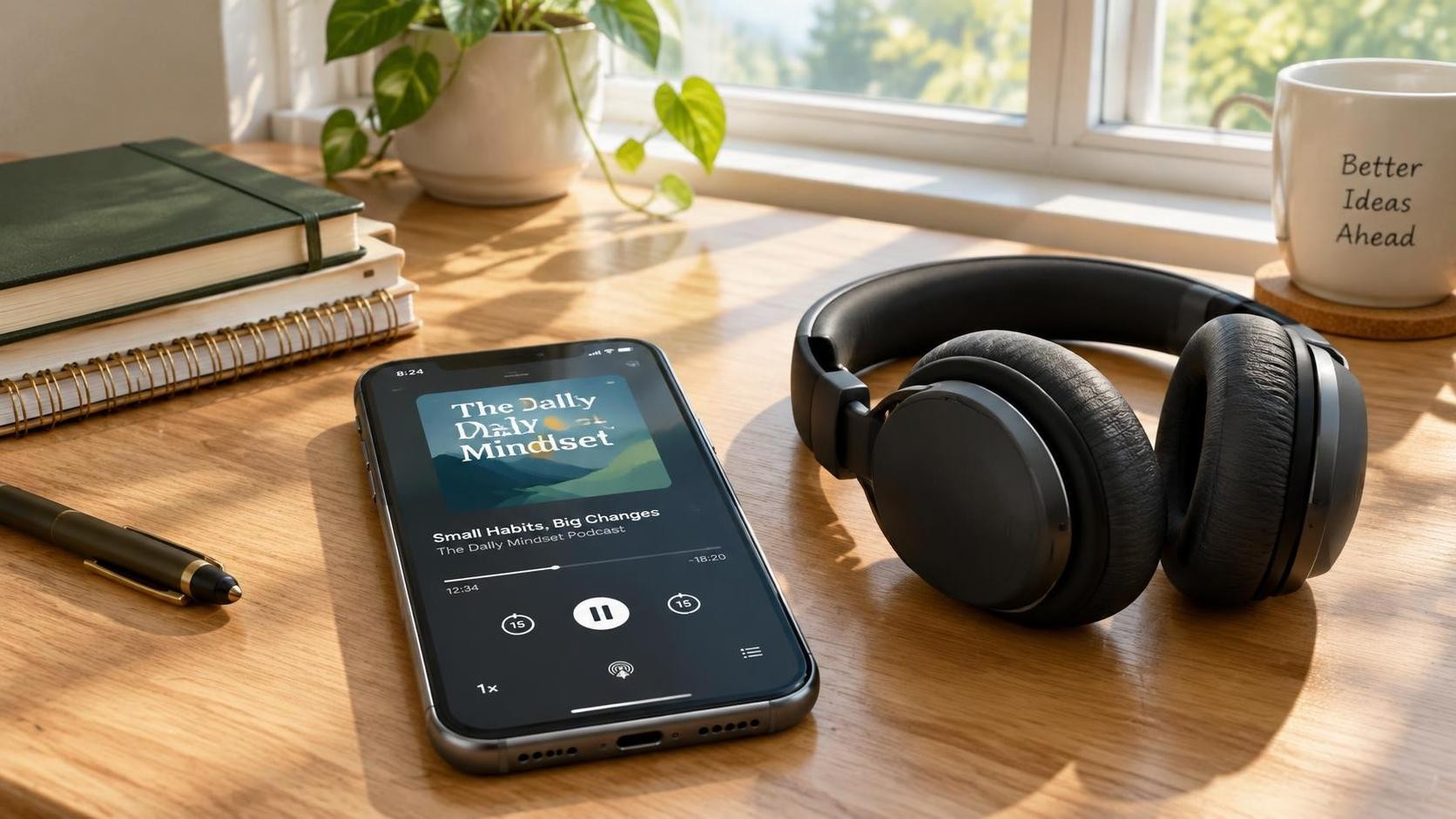
PodWise is an AI powered podcast learning tool that turns any podcast into a structured study course. It is aimed at self directed learners who want to convert passive listening into active skill building. Its standout strength is automation: an episode becomes a summary, a chapter breakdown, flashcards, and key takeaways with almost no manual work. A built in player and cross episode progress tracking keep learners moving, and the interface is tuned for studying on the go.
Snipd
Snipd is an AI podcast highlight and knowledge management tool. It serves knowledge workers who treat podcasts as a source of ideas, capturing snippets by transcribing them automatically and exporting notes to tools such as Notion, Readwise, and Obsidian. Its clip feature makes saving an insight as easy as taking a screenshot, and its AI chaptering and summaries rank among the best in the podcast world. With more than ten thousand reviews and an engaged community, it is a mature and dependable pick.
Miraa
Miraa is an AI first media to lesson tool that converts almost any video or podcast into a language course. Learners import a file or a YouTube link and receive real time transcription, bilingual subtitles, tap to explain definitions, shadowing practice, and spaced repetition review. Its content freedom is the headline feature: there is no fixed library, so a learner can study from anything that holds their attention.
Where Your Study Material Comes From
PodWise works with the learner's own podcast picks, which keeps setup minimal but leaves discovery entirely in the user's hands. Snipd focuses on podcasts as well, with particular strength in English knowledge and interview shows. Miraa removes the library question completely by letting learners import whatever they want, from personal files to online video.
ListenLeap approaches the same problem with a broader shelf. It combines audiobooks, podcasts, curated courses, and short audio clips in one place, then layers on user uploads and AI generated content. The result is a library that covers both the learner who wants a curated starting point and the learner who prefers to bring their own material. A multi level difficulty system organizes that library from beginner to advanced, so a learner rarely has to hunt for something at the right level.
Subtitles, Difficulty, and Learning Scaffolding
Scaffolding is what separates an app that plays audio from one that teaches.
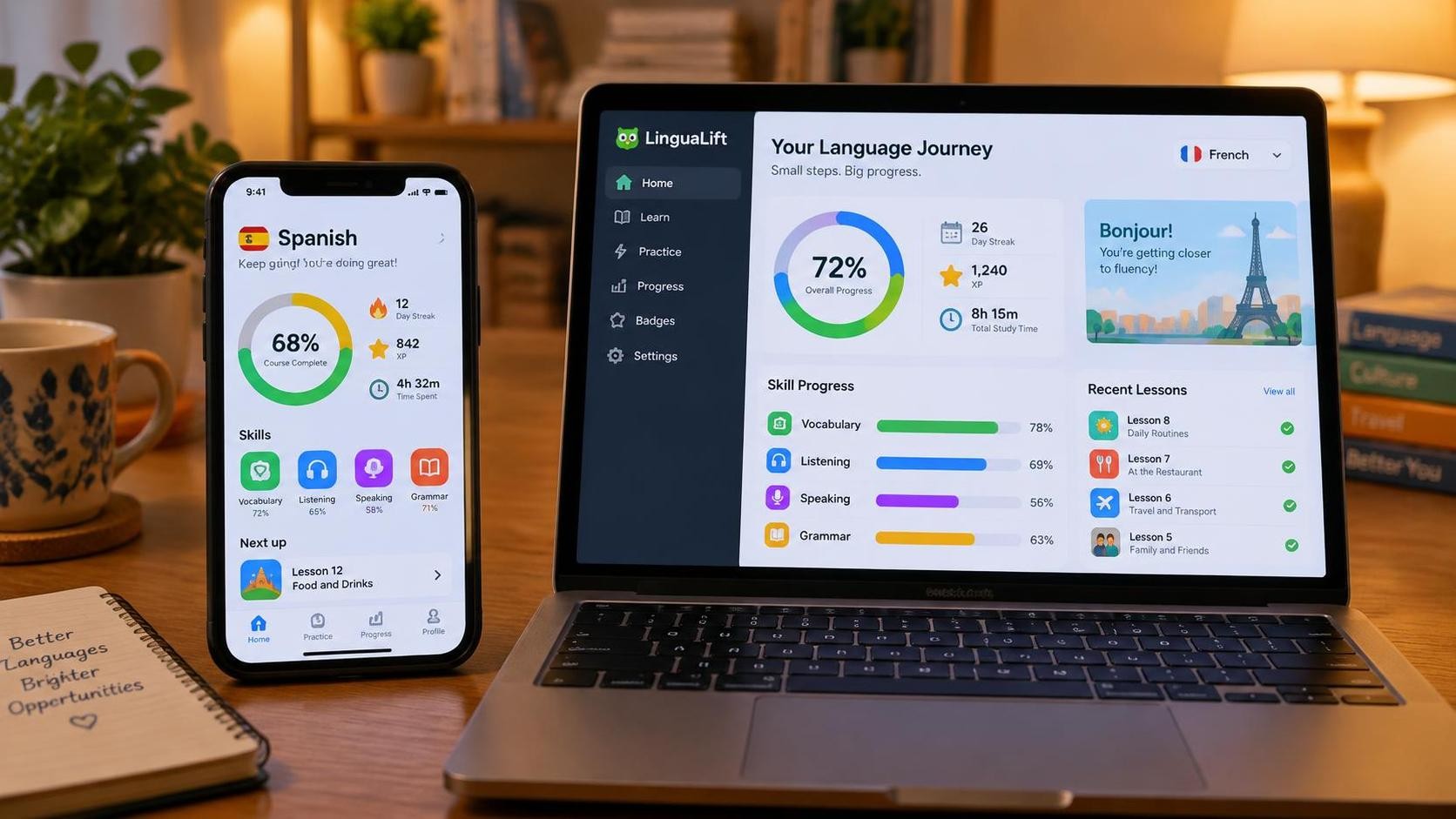
Snipd produces single language transcripts that are excellent for reading along with one show in one language. Miraa generates AI bilingual subtitles for any imported media and adds tap to explain definitions, which gives learners a quick way to check meaning without leaving the page. PodWise leans on AI transcripts and summaries to help users follow and review an episode.
ListenLeap builds its scaffolding around bilingual dual subtitles across multiple language pairs, so learners can compare the target language with their native one line by line. On top of that, an AI reading assistant can break down tricky passages, and dynamic difficulty adjustment keeps the challenge matched to the learner's current level. The combination means a learner can stay in the target language longer before frustration sets in, which is exactly where steady progress happens.
Speaking and Pronunciation Practice
Listening grows faster when output is part of the loop.
PodWise and Snipd are focused on comprehension and note taking, so neither offers dedicated speaking drills. Miraa includes shadowing and repeat practice, which is a sound method for mimicking rhythm and intonation.
ListenLeap adds AI driven pronunciation feedback and speaking practice, so a learner can record, compare, and correct in the same session. An AI dialogue mode with feedback turns vocabulary into conversation, and an AI tutor helps when a learner gets stuck. For anyone who wants to move from understanding English to speaking it, that extra layer closes a gap the other apps leave open.
AI Features and Offline Use
PodWise shines with AI summaries, flashcards, and key point extraction, all generated from any episode. Snipd pairs AI chapters with clip level summaries to build a searchable knowledge base. Miraa centers its whole design on AI transcription, explanations, and spaced repetition.
ListenLeap spreads its AI across the learning journey: AI bilingual subtitles, AI vocabulary extraction, AI pronunciation analysis, and an AI reading assistant, all backed by an AI tutor. Just as important, ListenLeap supports a full offline mode, so downloaded lessons remain usable on a commute or a flight. Several of the apps above depend on a live connection for their smartest features, which is a real constraint when study time happens away from reliable Wi Fi.
Platforms, Pricing, and the Daily Habit
PodWise and Snipd both run on iOS and Android with freemium pricing in the roughly six to eight dollar per month range. Miraa is mobile only and free to try with a subscription layer. ListenLeap runs across iOS, Android, and Web, with a freemium model and pricing that stays competitive, so a learner can start on a phone and continue on a laptop without losing progress.
Platform range matters more than it looks. A learner who studies on a phone during the day and reviews on a laptop at night keeps a single streak alive instead of juggling two disconnected tools.
Why ListenLeap Works as an All in One Home Base
Each of the other apps is excellent at a specific job. PodWise is a superb automation engine for podcast study. Snipd is a first class memory tool for ideas a learner wants to keep. Miraa is a flexible canvas for learning from any media a learner loves. None of that is in question.
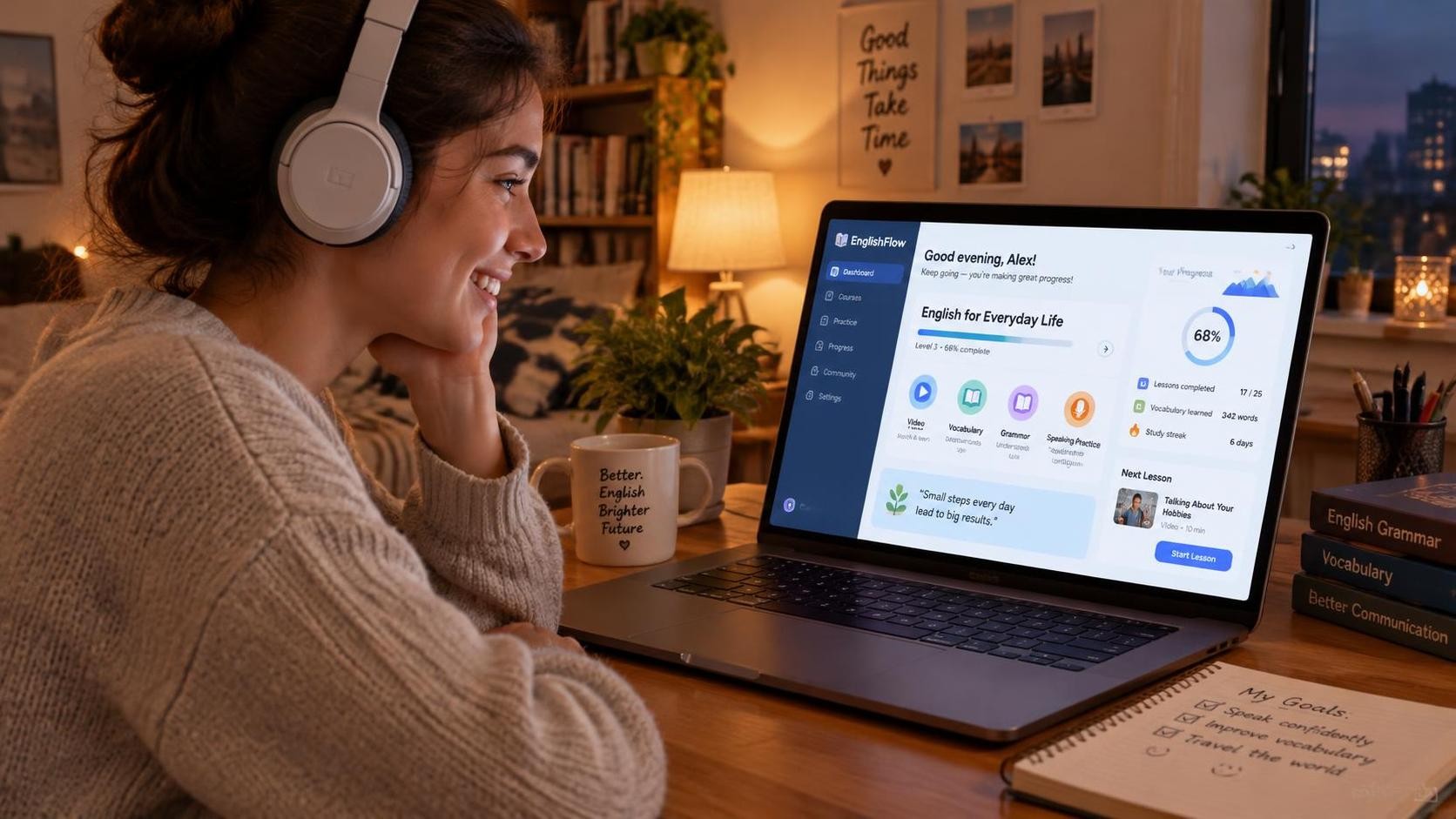
ListenLeap's case rests on breadth without losing depth. It covers audiobooks, podcasts, curated courses, and short clips in a single library. It pairs bilingual dual subtitles with dynamic difficulty adjustment and a leveled catalog. It adds pronunciation feedback, speaking practice, and an AI tutor on top of listening. It works offline and across three platforms. For a learner who values one consistent environment rather than five apps that each do one thing, that combination reduces daily friction, and reduced friction is what turns studying into a habit that survives a busy week.
Discovery, Community, and Long Term Motivation
Finding the next good lesson is part of the habit. PodWise leaves discovery to the learner's own podcast feed, which is freeing for people who already know what they like. Snipd pairs its library with a search and recommendation engine, and its large community gives new users plenty of social proof. Miraa skips discovery by design, since the learner supplies the material.
ListenLeap blends a curated, leveled catalog with uploads and AI generated options, so a learner can either follow a recommended path or chase a personal interest. Cross platform progress tracking keeps a single record of what has been studied, and the difficulty system quietly suggests what to tackle next. For learners who lose momentum without a clear next step, that guidance is often the difference between a two week experiment and a long term routine.
Matching the App to the Learner
A learner who already has a favorite podcast list and wants AI to turn it into study material will get a lot from PodWise. A knowledge worker who hunts for ideas and wants them saved and searchable will appreciate Snipd. A learner who prefers to learn from video and other personal media will enjoy Miraa's flexibility.
A learner who wants a complete path, with graded content, dual subtitles, speaking practice, offline access, and one place to track it all, will find the broadest fit in ListenLeap. That is not a knock on the others. It is simply a different job.
A Simple Way to Decide
Start with one honest question: does the learner want a specialist tool or a single home base? If a specific job, like turning podcasts into flashcards or capturing ideas, is the main need, a specialist app will serve well. If the goal is one environment that handles content, comprehension, speaking, and review together, a lesson a day in ListenLeap is a fair way to test how the pieces fit.
Daniel eventually stopped switching. He picked one app, set a fifteen minute daily lesson, and let the streak do the rest. Fluency is rarely won by the perfect tool. It is won by the tool a learner is still opening in month three.


Comments
No comments yet.
Leave a Comment