
The Commuter Who Wanted More From Her Podcasts
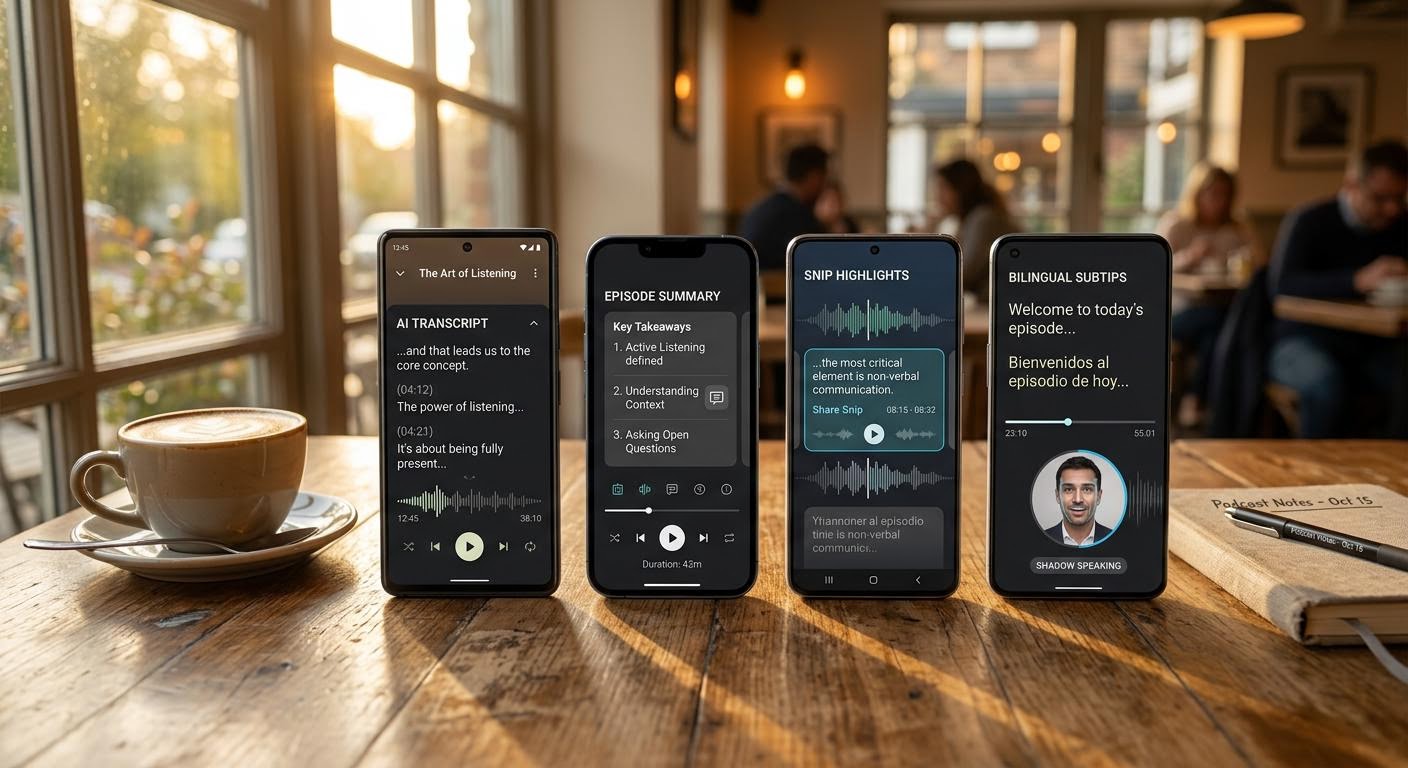
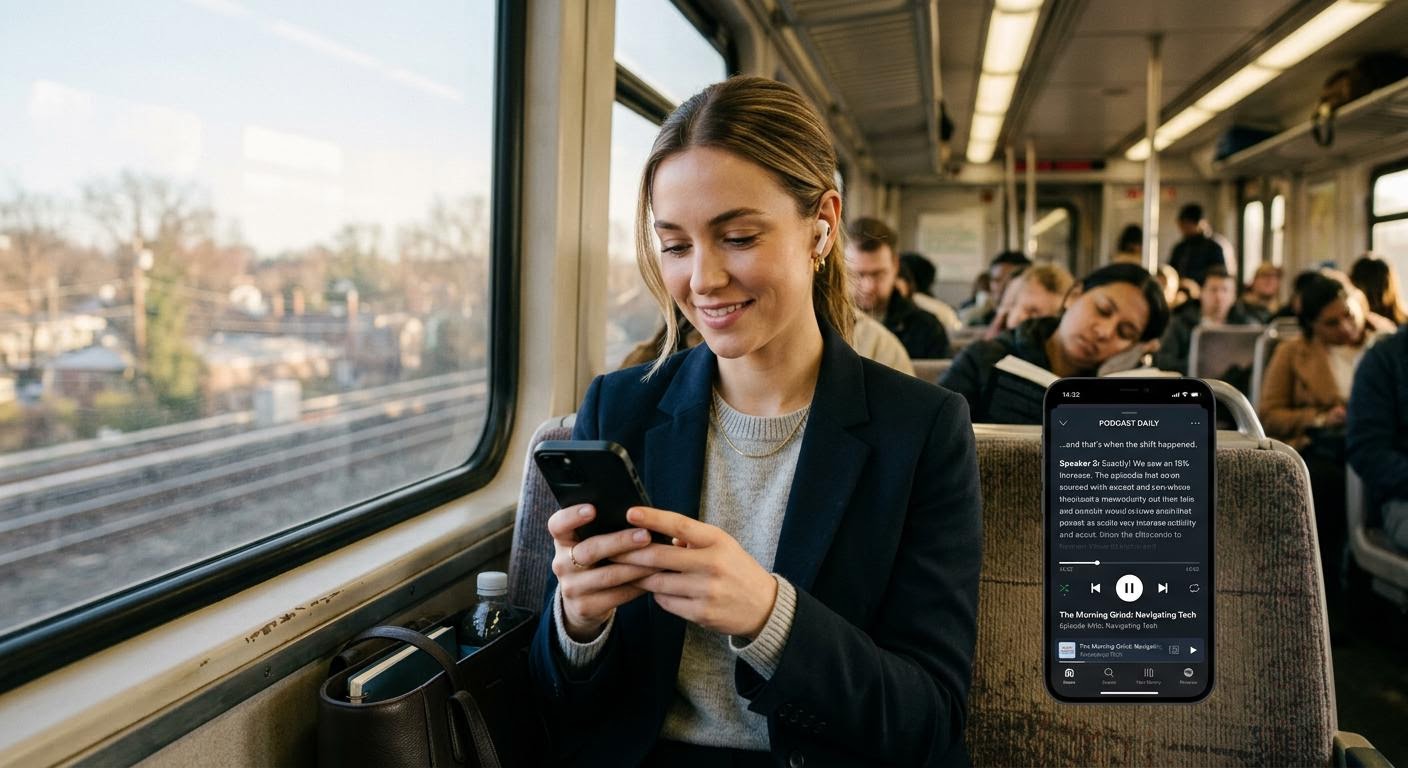
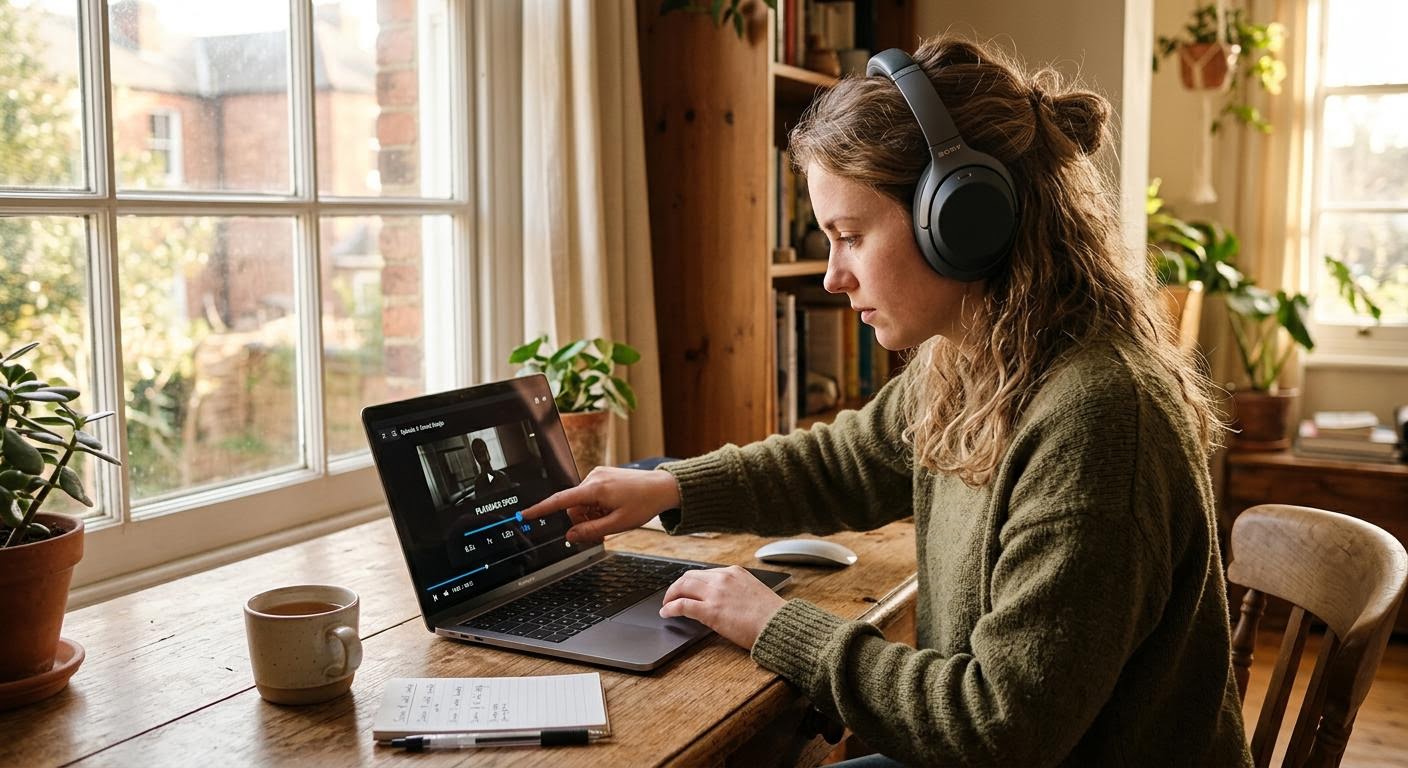
Maya spends 40 minutes on the train every morning with her earbuds in. She listens to tech podcasts, TED talks, and the occasional BBC documentary — and lately she has started to wonder whether all those hours could be doing more for her English. One weekend she downloaded four apps: Miraa, PodWise, Snipd, and ListenLeap. Each one promised to turn the podcasts she already loved into something more. None of them looked anything alike.
That is the state of podcast learning in 2026. The old question was simple: pick a library and press play. The new question is about what happens after the audio plays — transcription, summarization, vocabulary capture, speaking practice. Miraa, PodWise, and Snipd each built a different answer, and all three deserve credit for pushing the category forward. This guide walks through what each one does best, and where ListenLeap fits into the picture, so learners with different habits can match themselves to the right tool.
Four Ways to Turn Audio Into Learning
The most revealing difference between these apps is the job each one was built for.
Miraa is the AI-native importer. Drop in any video or podcast from a device, a saved file, or a YouTube link, and Miraa generates a transcript with bilingual subtitles on the spot. Tap any word or phrase and an AI explanation appears with context. It layers on shadowing practice and spaced repetition, which makes it a complete personal media study kit for learners who already have their own content pipeline.
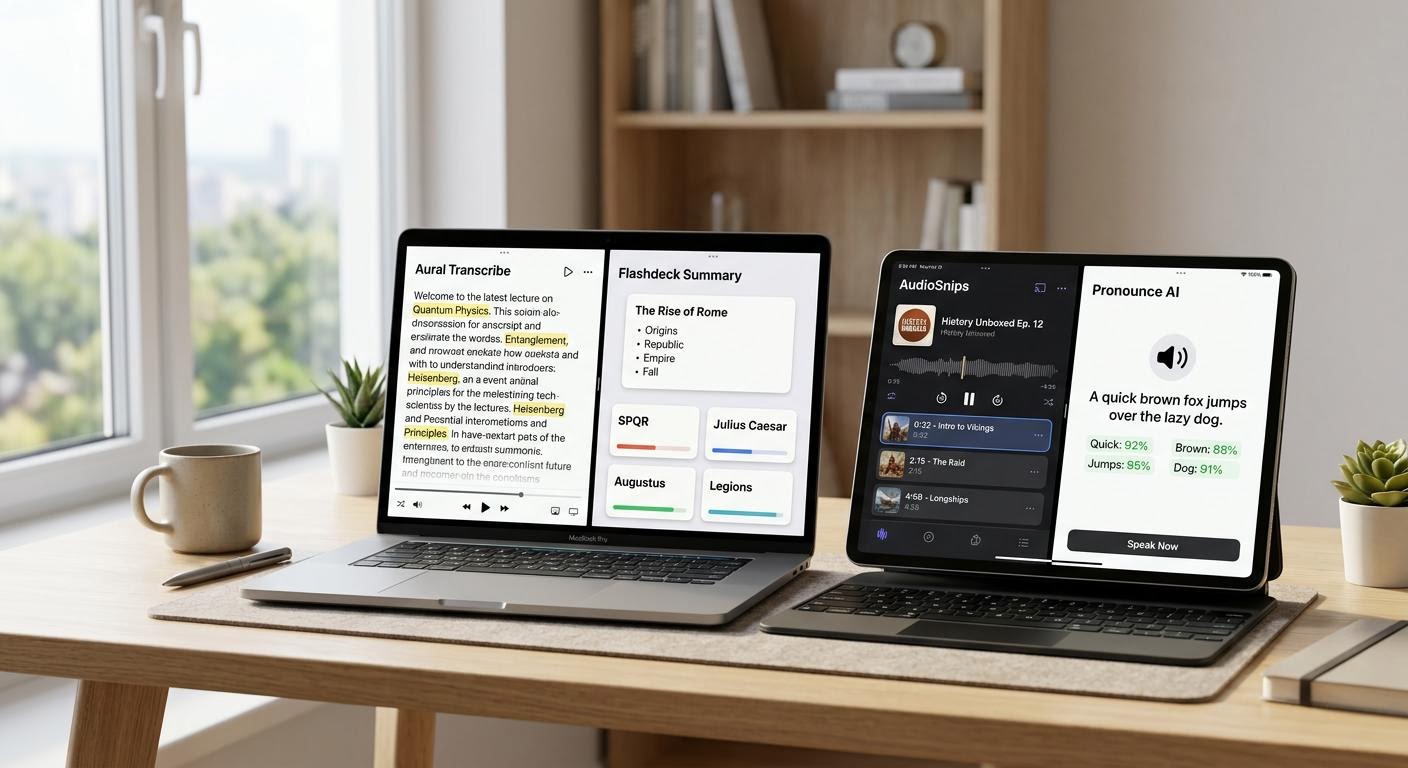
PodWise is the podcast-to-course converter. It takes any episode and automatically produces summaries, chapter breakdowns, vocabulary flashcards, and key takeaways. A passive listen becomes structured review material with almost no manual work — a genuine time-saver for busy people who want depth without extra effort.
Snipd is the insight catcher. Built for knowledge workers, its signature one-tap "snip" captures a podcast moment as a timestamped, auto-transcribed, AI-summarized highlight that syncs across devices and exports to Notion, Readwise, Obsidian, or Roam. Its chaptering and summarization AI is among the best in the podcast space, and a community of 10,000+ reviews speaks to how well it works.
ListenLeap is the language-learning system built around real podcasts. It combines a curated library of 10,000+ shows — BBC, TED, NPR, and 20+ topic areas — with i+1 difficulty grading, bilingual subtitles, and a full speaking and vocabulary toolkit. Users can also import their own audio, which puts it in the same flexible lane as Miraa while keeping the structured learning side the others leave out.
Content Sources: Curated Library vs. Bring-Your-Own
Where the learning material comes from is the first fork in the road. Miraa, PodWise, and Snipd all lean on the user's own content — that is the source of their flexibility. Miraa shines when a learner has a specific YouTube channel or podcast they want to study; PodWise turns the user's chosen shows into structured lessons; Snipd assumes the user already has a strong podcast diet and focuses on harvesting it. None of them maintain a built-in library, which keeps them lightweight but leaves discovery entirely to the learner.
ListenLeap covers both ends of this spectrum. Its in-app library holds 10,000+ curated podcasts across 20+ topic areas, so a user who does not know what to study next can browse BBC news, TED talks, or NPR science shows by interest and level. At the same time, the import feature accepts personal audio files, so the "learn from anything" crowd is served too. That combination — a ready-made library plus bring-your-own flexibility — is the difference between an app that waits for content and one that greets the user with content.
The Learning Depth Question
Listening is where all four apps meet, but what happens around the listening is where they diverge.
Miraa offers AI explanations for any tapped word or phrase and follows up with shadowing and spaced repetition — a solid loop for vocabulary retention around personal media.
PodWise converts episodes into flashcards and key-point notes, which suits learners who review what they hear.
Snipd captures and organizes ideas for later reading — excellent for knowledge management, though it is not designed around language acquisition.
ListenLeap adds language-specific depth at every layer: i+1 difficulty grading from a level test, bilingual subtitles in Simplified Chinese, Traditional Chinese, Korean, and Japanese, a blind-listening mode for pure ear training, tap-to-look-up vocabulary, phrase-level breakdowns with full-sentence explanations, AI Q&A extension, smart summaries, fill-in-the-blank dictation, a vocabulary notebook, and offline caching with PDF export.
The practical difference shows up in speaking. Miraa includes shadowing practice and PodWise stays focused on input, but ListenLeap's shadow reading scores pronunciation, intonation, and fluency separately, turning the same podcast episode into an active speaking workout rather than just another listen.
How Each App Uses AI
All four apps are AI-driven, but the AI does a different job in each one.
Miraa uses AI to transcribe and explain — converting any media into an interactive lesson and answering word-level questions with context.
PodWise uses AI to distill — summarizing episodes and generating flashcards automatically so review material builds itself.
Snipd uses AI to segment and surface — timestamping every paragraph and summarizing highlights so insights can be exported anywhere.
ListenLeap uses AI to teach — explaining phrases in full context, answering open-ended questions about the episode through AI Q&A, generating smart summaries, and scoring shadow reading on pronunciation, intonation, and fluency.
The distinction matters for learners: the first three amplify content, while ListenLeap turns the same content into a guided learning experience with measurable feedback.
Where ListenLeap Pulls Ahead
None of this is meant to rank the four apps — each one is genuinely strong in its own lane. But for the specific goal of learning English through podcasts, ListenLeap delivers the most complete loop: discover from 10,000+ curated shows, get matched to the right level, listen with bilingual subtitles or blind-listening mode, look up words and phrases with AI explanations, quiz yourself with fill-in-the-blank drills, then speak along and receive pronunciation, intonation, and fluency scores. Vocabulary notebook, notes, offline caching, and PDF export round out the system. Add iOS, Android, and Web support, and the same progress follows the learner from phone to desktop. Miraa offers unmatched import flexibility, PodWise offers effortless automation, and Snipd offers brilliant knowledge capture — ListenLeap offers the full path from first listen to spoken output in one place.
Matching the App to the Learner
Different habits call for different tools:
Learners with a personal content pipeline who study specific videos and shows will appreciate Miraa's AI transcription and explanation loop.
Busy listeners who want structure without effort will get real value from PodWise's automatic summaries and flashcards.
Knowledge workers building a second brain will find Snipd's snips and Notion/Readwise exports hard to beat.
Language learners who want a guided system — level-matched podcasts, subtitles, vocabulary tools, and speaking feedback — will find the complete package in ListenLeap.
Getting Started
Maya kept two apps in the end. She uses ListenLeap for her daily English routine — level-matched BBC and TED episodes in the morning, shadow reading scored on the way home — and Snipd for capturing the tech insights she wants in her notes. That split is a fair summary of the category in 2026: the tools are different enough that the right answer depends on the goal. For podcast-driven English learning with a full feedback loop, ListenLeap is worth starting with — and its free Web version makes the first episode only a click away.

Comments
No comments yet.
Leave a Comment